
Banjo Picking Patterns
Banjo Picking Patterns - These techniques involve using your fingers to pluck the strings selectively, creating intricate melodies and embellishments. Web learn the basics of banjo picking, from strumming techniques to mastering the claw hammer style. A comprehensive guide to picking the banjo for beginners and experienced musicians alike. It’s called a forward roll. You should practice these rolls until they become second nature to you. By playing patterns over different chord shapes you create a. Web holding your banjo in playing position, your strumming hand strums or plucks the strings somewhere down by the drum head, and your fretting hand, holds the strings down in various positions on the fretboard. There are many variations on how to use your fingers, each of which has a slightly different sound as well as a different name. Whether you're a beginner or an experienced player, you're sure to learn something new and valuable. Learn how to tune your banjo. Get a good beginner banjo. Quickly and easily select picking patterns by chord to substitute in songs you already play, or combine patterns of your choice to create your own arrangements. Web a 5 string banjo is an american folk instrument with 4 tuning pegs and one tuning peg for its short fifth string. Web learn an easy picking pattern banjo lesson. Learn some basic banjo strumming patterns. Learn how to tune your banjo. Web a banjo roll is a set of eight notes that are picked over and over again, with the thumb, index and middle finger. Web in this lesson on fingerpicking banjo, learn the differences between 3 finger old time, 3 finger scruggs, and 2 finger thumb lead, and how to play them. Web an introductory lesson to scruggs style rolls for banjo, including forward roll, backward roll, reverse roll, and alternating thumb roll. Web learn how to play the 4 string banjo and amaze your friends with your musical skills! There are really just two ways banjo players pluck the strings of the banjo. Learn some basic banjo strumming patterns. Web this article will give you a handful of easy banjo songs to start your journey with! Web a banjo roll is a pattern of eight notes picked out repeatedly with the thumb, index finger, and middle finger on the. An essential aspect of banjo playing is fingerstyle techniques. These techniques involve using your fingers to pluck the strings selectively, creating intricate melodies and embellishments. There are many variations on how to use your fingers, each of which has a slightly different sound as well as a different name. Web a banjo roll is a pattern of eight notes picked. You should practice these rolls until they become second nature to you. We begin with two different actions. Web an introductory lesson to scruggs style rolls for banjo, including forward roll, backward roll, reverse roll, and alternating thumb roll. Let’s concentrate first on your strumming hand. Web banjo picking is a popular technique that involves playing the banjo strings in. If you’re a beginner, it may seem daunting at first, but with practice and patience, you can master this technique and start playing your favorite songs. Throw this into songs to spice things up! Get a good beginner banjo. Learn the parts of a banjo. Web learn how to play the 4 string banjo and amaze your friends with your. Now let’s try a forward and backward roll. By playing patterns over different chord shapes you create a. Let’s concentrate first on your strumming hand. We begin with two different actions. Web learn an easy picking pattern banjo lesson. Web a roll pattern is a series of eight notes picked repeatedly with the thumb, index, and middle fingers on the right hand (if right handed, opposite if left handed). These easy banjo songs are great for clawhammer banjos, bluegrass jamming, learning scruggs style, and many more techniques and types of. Get a good beginner banjo. There are really just. I have tabs for this at my website. Web an introductory lesson to scruggs style rolls for banjo, including forward roll, backward roll, reverse roll, and alternating thumb roll. There are many variations on how to use your fingers, each of which has a slightly different sound as well as a different name. Web a banjo roll is a set. These exercises will work to build confidence with the pattern before combining everything for the clawhammer sound you crave! Learn the parts of a banjo. It’s called a forward roll. A roll combined with the different chords creates a stream of chords and single notes that weave together to create the banjo’s distinctive sound. If you’re a beginner, it may. Web in this lesson on fingerpicking banjo, learn the differences between 3 finger old time, 3 finger scruggs, and 2 finger thumb lead, and how to play them. These easy banjo songs are great for clawhammer banjos, bluegrass jamming, learning scruggs style, and many more techniques and types of. I have tabs for this at my website. By playing patterns. Web a 5 string banjo is an american folk instrument with 4 tuning pegs and one tuning peg for its short fifth string. Get a good beginner banjo. Web as you likely know one of the tricks to playing the banjo is to be able to switch freely between “rolls” or picking patterns. The fifth fret of the highest (fourth). Here i show you an easy picking pattern using alternating strings. Web banjo picking is a popular technique that involves playing the banjo strings in a specific pattern. There are really just two ways banjo players pluck the strings of the banjo. Web a banjo roll is a pattern of eight notes picked out repeatedly with the thumb, index finger, and middle finger on the player’s dominant hand. Equally important is the ability to switch the strings freely that you pick within these patterns. These techniques involve using your fingers to pluck the strings selectively, creating intricate melodies and embellishments. We’ve broken it down into 4 simple patterns to get you started. Get ready to strum and pick your way to a perfect performance with our detailed guide. You should practice these rolls until they become second nature to you. Learn the parts of a banjo. Learn how to tune your banjo. The biggest distinction of all, and the only decision that should ever really matter when you’re first learning the banjo, is what direction are you picking the strings? Web holding your banjo in playing position, your strumming hand strums or plucks the strings somewhere down by the drum head, and your fretting hand, holds the strings down in various positions on the fretboard. The fifth fret of the highest (fourth) string and the open first and second strings tune this extra bass note. If you’re a beginner, it may seem daunting at first, but with practice and patience, you can master this technique and start playing your favorite songs. They let you play open chord patterns that are characteristic of bluegrass music.
Melodic 5 String Banjo Roll patterns
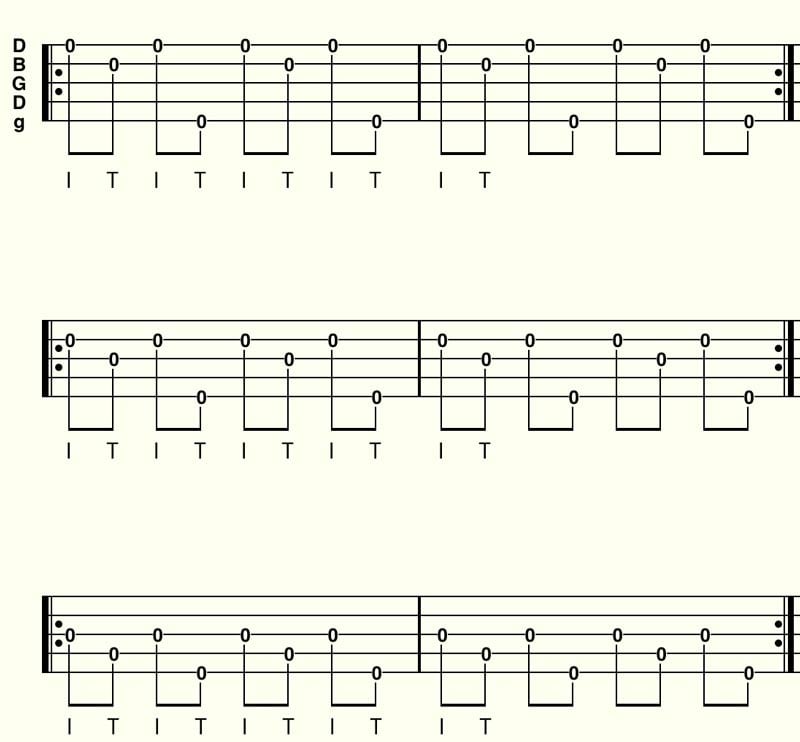
Clawhammer Banjo Exercises Picking Hand

Banjo Picking for Beginners YouTube

Basic picking pattern 5 string banjo Irish songs YouTube
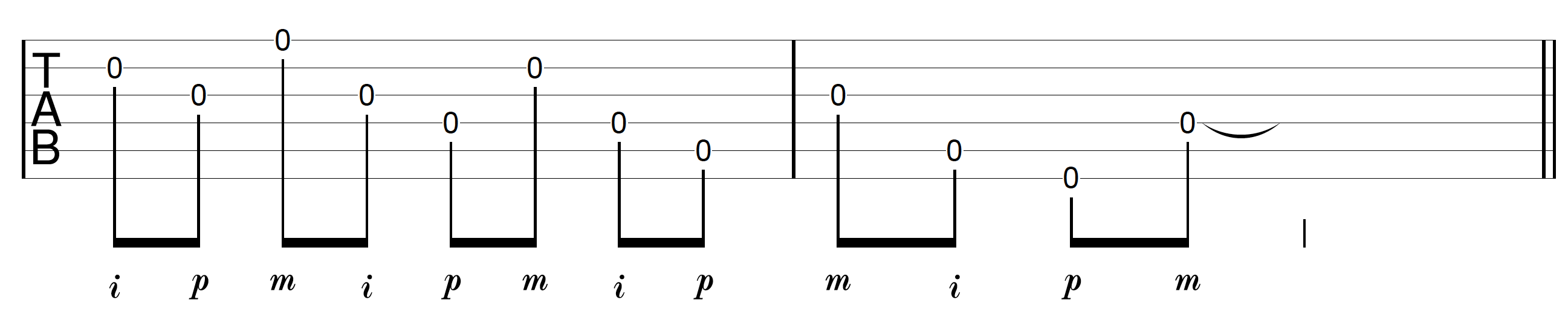
Here’s A Great Way To Make Sure You Get Bang For Your Buck With The

exercises — TwoFinger Banjo

Banjo 103 Right Hand Banjo Roll Patterns YouTube

Basic picking pattern irish 5 string banjo Come my little son banjo
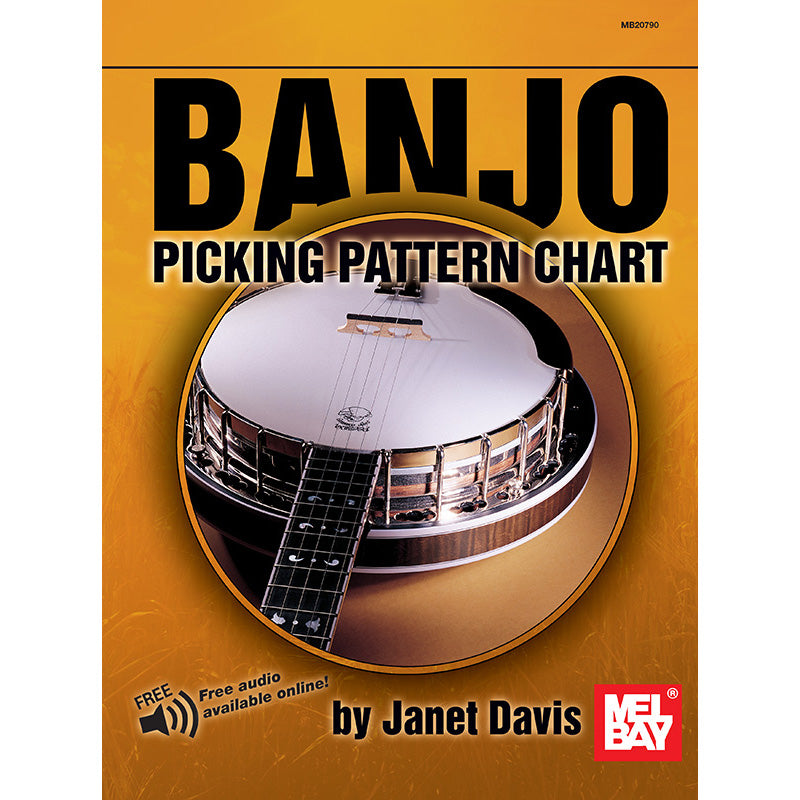
Banjo Picking Pattern Chart Elderly Instruments
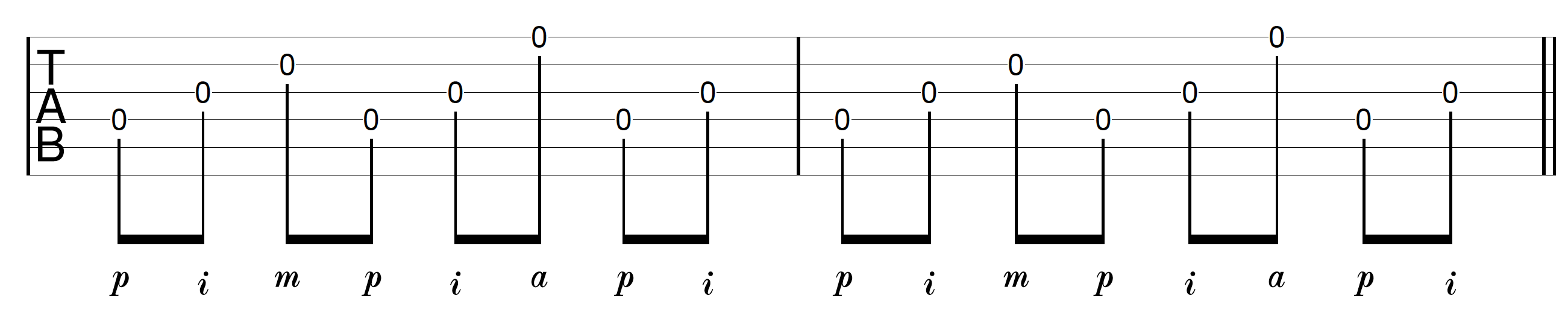
Here’s A Great Way To Make Sure You Get Bang For Your Buck With The
Get A Good Beginner Banjo.
Web A Roll Pattern Is A Series Of Eight Notes Picked Repeatedly With The Thumb, Index, And Middle Fingers On The Right Hand (If Right Handed, Opposite If Left Handed).
Throw This Into Songs To Spice Things Up!
Web Learn How To Play The 4 String Banjo And Amaze Your Friends With Your Musical Skills!
Related Post: