
Flexion Synergy Pattern
Flexion Synergy Pattern - Although this can be a sign of improving communication between your brain and muscles, flexor synergies can be uncomfortable and can lead to complications if not addressed. Web in a classic report, twitchell described in detail the pattern of motor recovery following stroke. Use of such procedure is temporary. The flexor and the extensor synergies. The methods to train synchronization of muscles may diminish the deviated movement augmenting. Web synergies consist of stereotypical flexor and extensor movements. Web flexor synergy patterns typically involve a coordinated activation of muscles that flex or bend joints, often observed in conditions such as stroke or spinal cord injury. At onset, the upper extremity (ue) is more involved than the lower extremity (le), and. And extension and inversion of the ankle) and flexion synergy (external rotation, abduction, and flexion of the hip; The reconstructed and the recorded patterns of the hand gestures under the test data were then mapped into mitra. The reconstructed and the recorded patterns of the hand gestures under the test data were then mapped into mitra. Web for the lower limb, abnormal synergy is grouped into extension synergy (internal rotation, adduction, and extension of the hip; Web in a classic report, twitchell described in detail the pattern of motor recovery following stroke. After brain insult, a set of deviated movement pattern emerges in the affected limb. Use of such procedure is temporary. Web individuals with this uncontrolled flexion synergy have great difficulty isolating joint movements out of synergy. This is a lengthy process, but it is feasible to speed it up. This reaction is called homolateral synkinesis. Movement combining antagonistic synergies can be performed when the prime movers are the strong components of the synergy. Web background synergy is an outcome of multiple muscles acting in a synchronized pattern, controlled by the central nervous system. Web mass synergy patterns (i.e., posturing of limbs and trunk in certain patterns, such as flexion of the upper limb and extension of the lower limb in a stroke patient) Movement combining antagonistic synergies can be performed when the prime movers are the strong components of the synergy. Web background synergy is an outcome of multiple muscles acting in a. The flexor and the extensor synergies. The synergistic movements can be elicited voluntarily but are not obligatory. Web life after a stroke can be challenging. Web individuals with this uncontrolled flexion synergy have great difficulty isolating joint movements out of synergy. Web mass synergy patterns (i.e., posturing of limbs and trunk in certain patterns, such as flexion of the upper. These patterns are characterized by involuntary movements such as flexion of the elbow, wrist, and fingers, as well as hip and knee flexion. Web life after a stroke can be challenging. 5 spasticity wanes but is evident with rapid movement and at the extremes of range. Web flexor synergy, otherwise known as spasticity, refers to the muscle “drawing” or “pulling. The extensor synergy of the arm involves many of the opposite movements, including: Web mass synergy patterns (i.e., posturing of limbs and trunk in certain patterns, such as flexion of the upper limb and extension of the lower limb in a stroke patient) The reconstructed and the recorded patterns of the hand gestures under the test data were then mapped. Web patients exhibit only few stereotypic movement patterns: Here you will learn why this happens and. The most common areas affected by flexor synergy are elbow flexion paired with shoulder internal rotation, forearm supination, and grasp. Fortunately, the field of occupational and physical therapy has come a long way in developing approaches that help patients regain controlled m. The reconstructed. Web individuals with this uncontrolled flexion synergy have great difficulty isolating joint movements out of synergy. Web background synergy is an outcome of multiple muscles acting in a synchronized pattern, controlled by the central nervous system. Web in the arms, flexor synergy refers to: Web the third “shoulder adductor/flexor (s add/flex)” synergy was dominated by activation of bi (a shoulder. Shoulder abduction (raising the arm to the side) elbow flexion; And extension and inversion of the ankle) and flexion synergy (external rotation, abduction, and flexion of the hip; Abnormal movement synergy patterns is a common problem after damage to the neurologic system. These are the flexor synergy, in which shoulder, elbow, and wrist flexion are obligatorily linked, and the opposite. Web patients exhibit only few stereotypic movement patterns: 5 spasticity wanes but is evident with rapid movement and at the extremes of range. By using only a few synergies, hand gestures grouped under the testing tasks were reconstructed in the offline model. Supination (palm facing upwards) wrist and finger flexion; The methods to train synchronization of muscles may diminish the. Web background synergy is an outcome of multiple muscles acting in a synchronized pattern, controlled by the central nervous system. Fortunately, the field of occupational and physical therapy has come a long way in developing approaches that help patients regain controlled m. This is a lengthy process, but it is feasible to speed it up. The methods to train synchronization. Based on observations of recovery following a stroke, this approach makes use of associated reactions, tonic reflexes and the development of basic limb synergies to facilitate movements. Web flexor synergy, otherwise known as spasticity, refers to the muscle “drawing” or “pulling in”, in turn making the muscle in a limb feel stiff, tight, or immovable. Web individuals with this uncontrolled. Supination (palm facing upwards) wrist and finger flexion; In the flexor synergy, an attempt of movement results in a coupled abduction and external rotation of the shoulder, flexion of the elbow, wrist and fingers, and. And flexion and eversion of the ankle) [ 9 ]. These patterns are characterized by involuntary movements such as flexion of the elbow, wrist, and fingers, as well as hip and knee flexion. These are the flexor synergy, in which shoulder, elbow, and wrist flexion are obligatorily linked, and the opposite extensor synergy (twitchell, 1951; Fortunately, the field of occupational and physical therapy has come a long way in developing approaches that help patients regain controlled m. Web in a classic report, twitchell described in detail the pattern of motor recovery following stroke. 39k views 4 years ago. Web flexor movement or tone may be elicited in involved arm when the patient attempts to flex the leg or leg flexion is resisted. 5 spasticity wanes but is evident with rapid movement and at the extremes of range. The synergistic movements can be elicited voluntarily but are not obligatory. Web mass synergy patterns (i.e., posturing of limbs and trunk in certain patterns, such as flexion of the upper limb and extension of the lower limb in a stroke patient) Although this can be a sign of improving communication between your brain and muscles, flexor synergies can be uncomfortable and can lead to complications if not addressed. This is a lengthy process, but it is feasible to speed it up. Web synergies consist of stereotypical flexor and extensor movements. The methods to train synchronization of muscles may diminish the deviated movement augmenting.
Flexion synergy/ flexor synergy pattern/ flexor synergy pattern upper

Flexion And Upper Limb Spasticity Stroke

Flexor Synergy, Spasticity, and Stroke
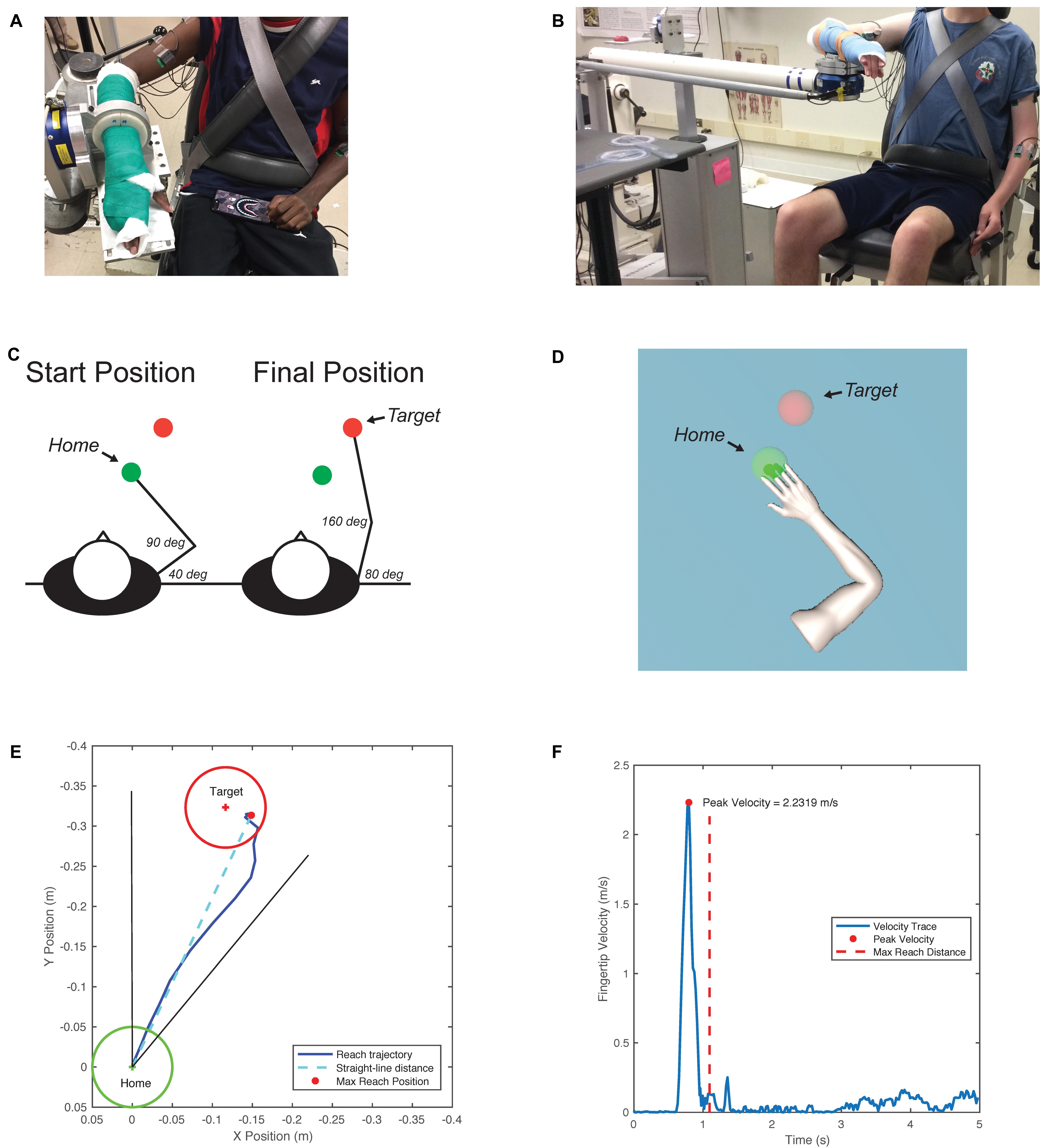
Frontiers The Upper Extremity Flexion Synergy Is Minimally Expressed
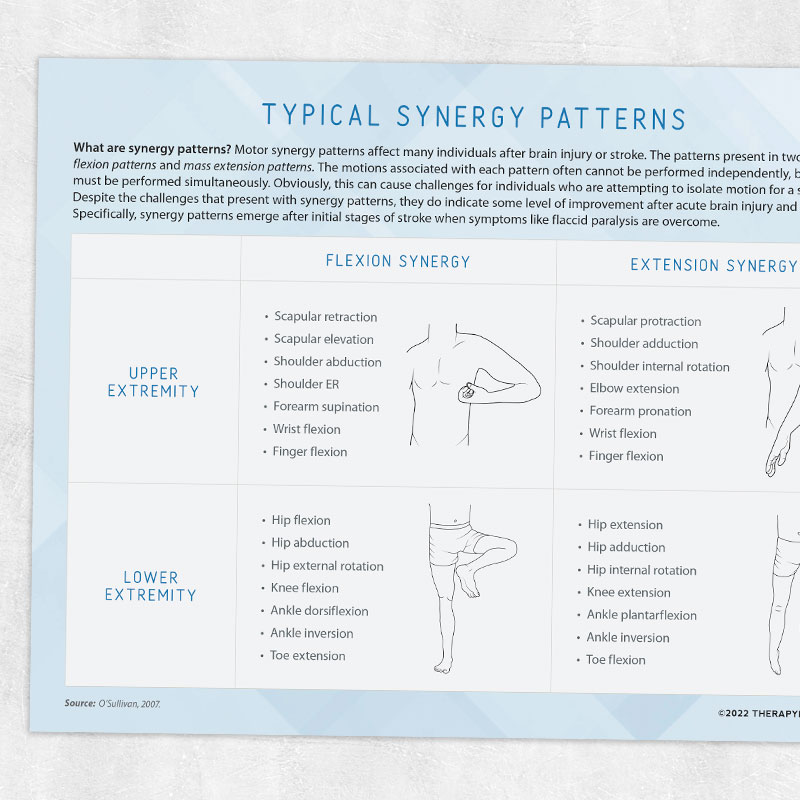
Typical Synergy Patterns Adult and pediatric printable resources for
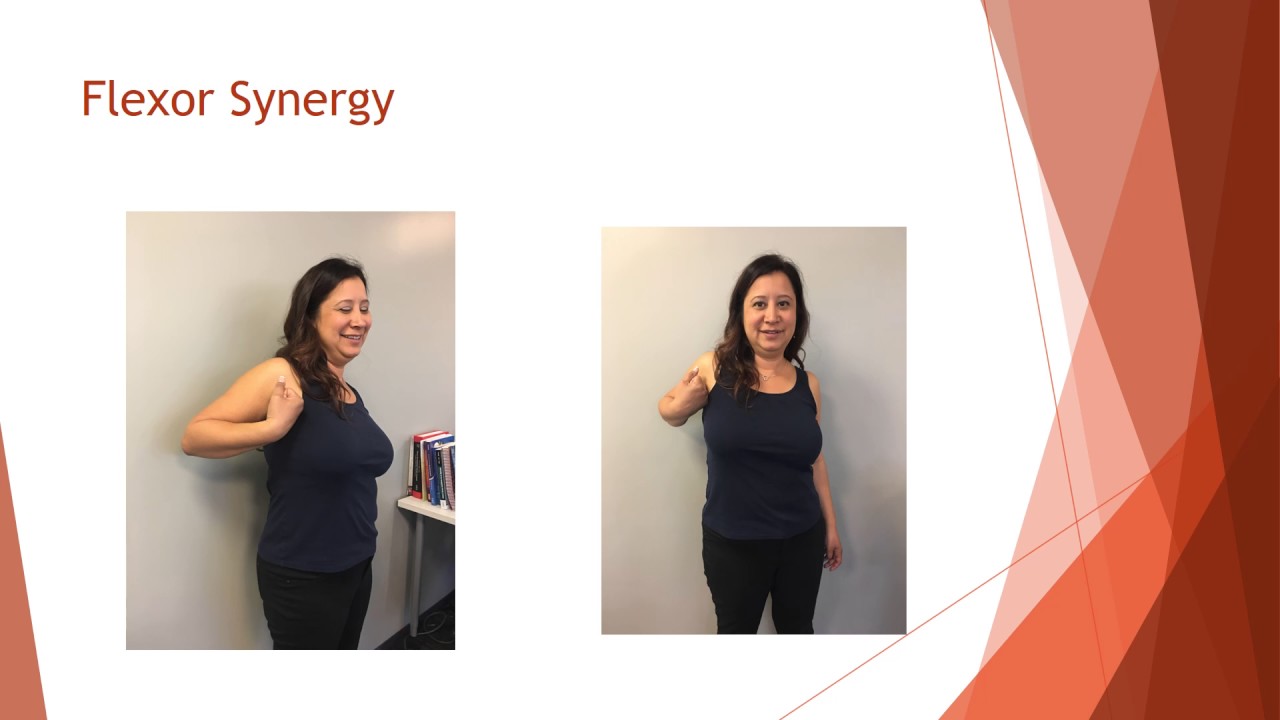
Flexion synergy pattern after stroke klopnexus

Synergy pattern in 2022 Physical therapy school, Board exam, Finger

Flexion Synergy Patterns After Stroke What Are They?

Brunnstrom Stages

Flexor Synergy Pattern Upper Extremity Pattern.rjuuc.edu.np
Web For The Upper Extremity, These Stereotyped Movement Patterns Are Often Described As The Flexion Synergy (Characterized By Simultaneous Shoulder Abduction And Elbow Flexion) And The Extension Synergy (Characterized By Simultaneous Shoulder Adduction And Elbow Extension) (Trombly And Radomski 2002).
Web Background Synergy Is An Outcome Of Multiple Muscles Acting In A Synchronized Pattern, Controlled By The Central Nervous System.
Web By Applying This Gaussian Function To Express Flexion Of Fingers, End Postures Of 28 Hand Gestures Were Generated.
And Extension And Inversion Of The Ankle) And Flexion Synergy (External Rotation, Abduction, And Flexion Of The Hip;
Related Post: