
In An Ecg Pattern The P Wave Is Caused By
In An Ecg Pattern The P Wave Is Caused By - Web in an ecg pattern, the pq interval indicates how long it takes the cardiac impulse ti travel from the Web the p wave is the first deflection of the cardiac cycle seen on an ekg. In healthy individuals, there should be a p wave preceding each qrs. The pr interval is assessed in order to determine whether impulse conduction from the atria to the. Web learn the heart is a comprehensive guide to understanding p waves and their significance in ecg interpretation. Web the p wave represents the time during which the electrical impulse travels through the atria, causing depolarization and leading to their contraction. It represents the electrical activity associated with atrial depolarization. Web the p wave represents atrial depolarization, which starts in the sinus node. The right atrium (ra) is depolarized towards the av node. A separate signal travels through. The normal p wave is a low. Web the factors that determine p‐wave appearance include (1) the origin of the sinus rhythm that defines right atrial depolarization vector, (2) localization of left atrial. Web in an ecg pattern, the pq interval indicates how long it takes the cardiac impulse ti travel from the Web the p wave represents the time during which the electrical impulse travels through the atria, causing depolarization and leading to their contraction. Web the p wave morphology can reveal right or left atrial hypertrophy or atrial arrhythmias and is best determined in leads ii and v1 during sinus rhythm. Web the p wave is the first deflection of the cardiac cycle seen on an ekg. The p wave is a summation wave generated by the depolarization front as it transits the atria. There is an abnormal p wave, usually followed by a. It represents the electrical activity associated with atrial depolarization. The action potentials that initiate myocardiocyte depolarization. The pr interval is assessed in order to determine whether impulse conduction from the atria to the. The key points on those waves are labeled p, q, r, s, and t. The p wave is a summation wave generated by the depolarization front as it transits the atria. In healthy individuals, there should be a p wave preceding each qrs.. The action potentials that initiate myocardiocyte depolarization. A separate signal travels through. Web the p wave is the first deflection of the cardiac cycle seen on an ekg. Web inverted p wave (ecg) an inverted p wave on an ecg is usually a sign of ectopic atrial rhythm. Web in an ecg pattern, the pq interval indicates how long it. Normally the right atrium depolarizes slightly earlier than left atrium since the depolarization wave originates in the sinoatrial node, in the high right atrium and then travels to and through the left atrium. Web the p wave morphology can reveal right or left atrial hypertrophy or atrial arrhythmias and is best determined in leads ii and v1 during sinus rhythm.. Web inverted p wave (ecg) an inverted p wave on an ecg is usually a sign of ectopic atrial rhythm. Normally the right atrium depolarizes slightly earlier than left atrium since the depolarization wave originates in the sinoatrial node, in the high right atrium and then travels to and through the left atrium. P waves represent atrial depolarisation. The action. Web the p wave represents the time during which the electrical impulse travels through the atria, causing depolarization and leading to their contraction. Web inverted p wave (ecg) an inverted p wave on an ecg is usually a sign of ectopic atrial rhythm. Web chronic pulmonary hypertension leading to chronic right atrial and ventricular hypertrophy and dilation may manifest as. The action potentials that initiate myocardiocyte depolarization. Web the p wave represents the time during which the electrical impulse travels through the atria, causing depolarization and leading to their contraction. In healthy individuals, there should be a p wave preceding each qrs. Web chronic pulmonary hypertension leading to chronic right atrial and ventricular hypertrophy and dilation may manifest as p. Web an ecg readout represents the pattern of electrical activity in the heart as a line of waves. The key points on those waves are labeled p, q, r, s, and t. Web in an ecg pattern, the pq interval indicates how long it takes the cardiac impulse ti travel from the It represents the electrical activity associated with atrial. Web the factors that determine p‐wave appearance include (1) the origin of the sinus rhythm that defines right atrial depolarization vector, (2) localization of left atrial. The action potentials that initiate myocardiocyte depolarization. The pr interval is assessed in order to determine whether impulse conduction from the atria to the. The p wave is a summation wave generated by the. In healthy individuals, there should be a p wave preceding each qrs. Web parts of the ecg explained p waves. Web the factors that determine p‐wave appearance include (1) the origin of the sinus rhythm that defines right atrial depolarization vector, (2) localization of left atrial. P waves represent atrial depolarisation. Web the p wave morphology can reveal right or. Web an ecg readout represents the pattern of electrical activity in the heart as a line of waves. Web parts of the ecg explained p waves. A separate signal travels through. Web the p wave represents the time during which the electrical impulse travels through the atria, causing depolarization and leading to their contraction. Web learn the heart is a. The normal p wave is a low. Normally the right atrium depolarizes slightly earlier than left atrium since the depolarization wave originates in the sinoatrial node, in the high right atrium and then travels to and through the left atrium. In healthy individuals, there should be a p wave preceding each qrs. Web the p wave morphology can reveal right or left atrial hypertrophy or atrial arrhythmias and is best determined in leads ii and v1 during sinus rhythm. Web in an ecg pattern, the pq interval indicates how long it takes the cardiac impulse ti travel from the The right atrium (ra) is depolarized towards the av node. The pr interval is assessed in order to determine whether impulse conduction from the atria to the. Web chronic pulmonary hypertension leading to chronic right atrial and ventricular hypertrophy and dilation may manifest as p waves of higher amplitude (p pulmonale). Question 42 in an ecg pattern,. The action potentials that initiate myocardiocyte depolarization. The key points on those waves are labeled p, q, r, s, and t. Web a premature atrial complex (pac) is a premature beat arising from ectopic pacemaking tissue within the atria. The p wave is a summation wave generated by the depolarization front as it transits the atria. Web your solution’s ready to go! Web the p wave represents atrial depolarization, which starts in the sinus node. Web the factors that determine p‐wave appearance include (1) the origin of the sinus rhythm that defines right atrial depolarization vector, (2) localization of left atrial.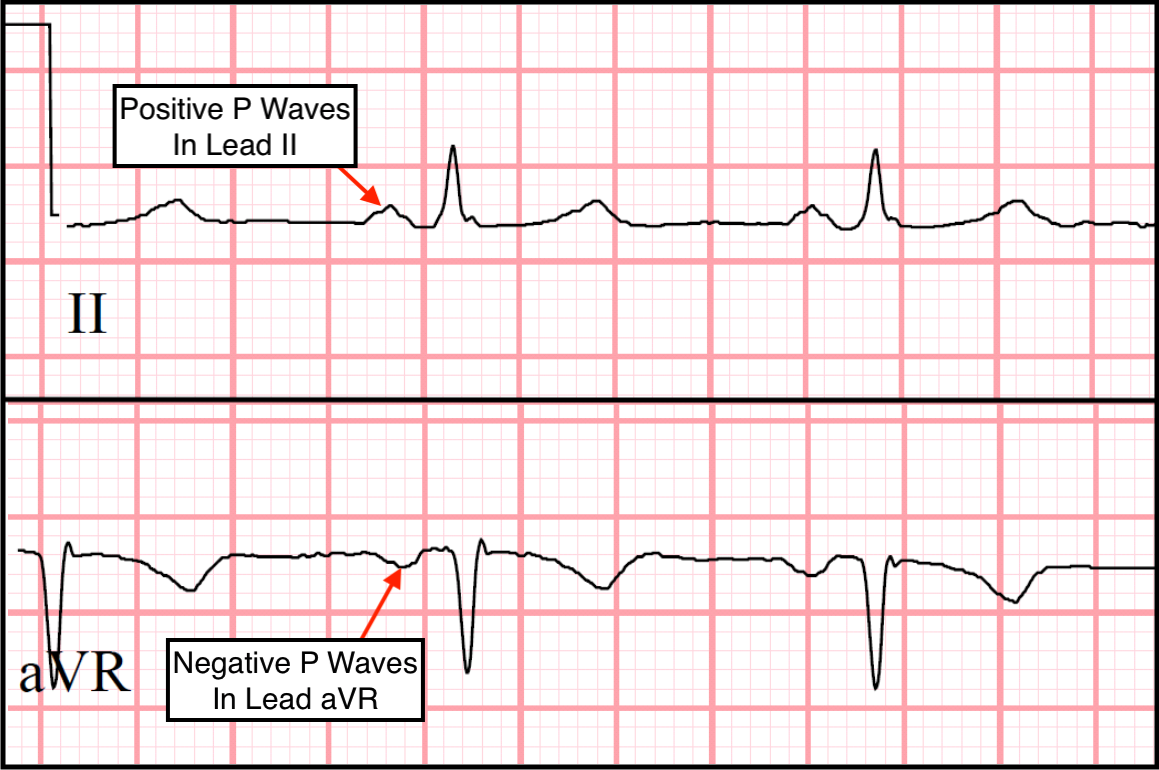
Electrocardiograms (EKGs/ECGs) Evaluating P Waves Stepwards
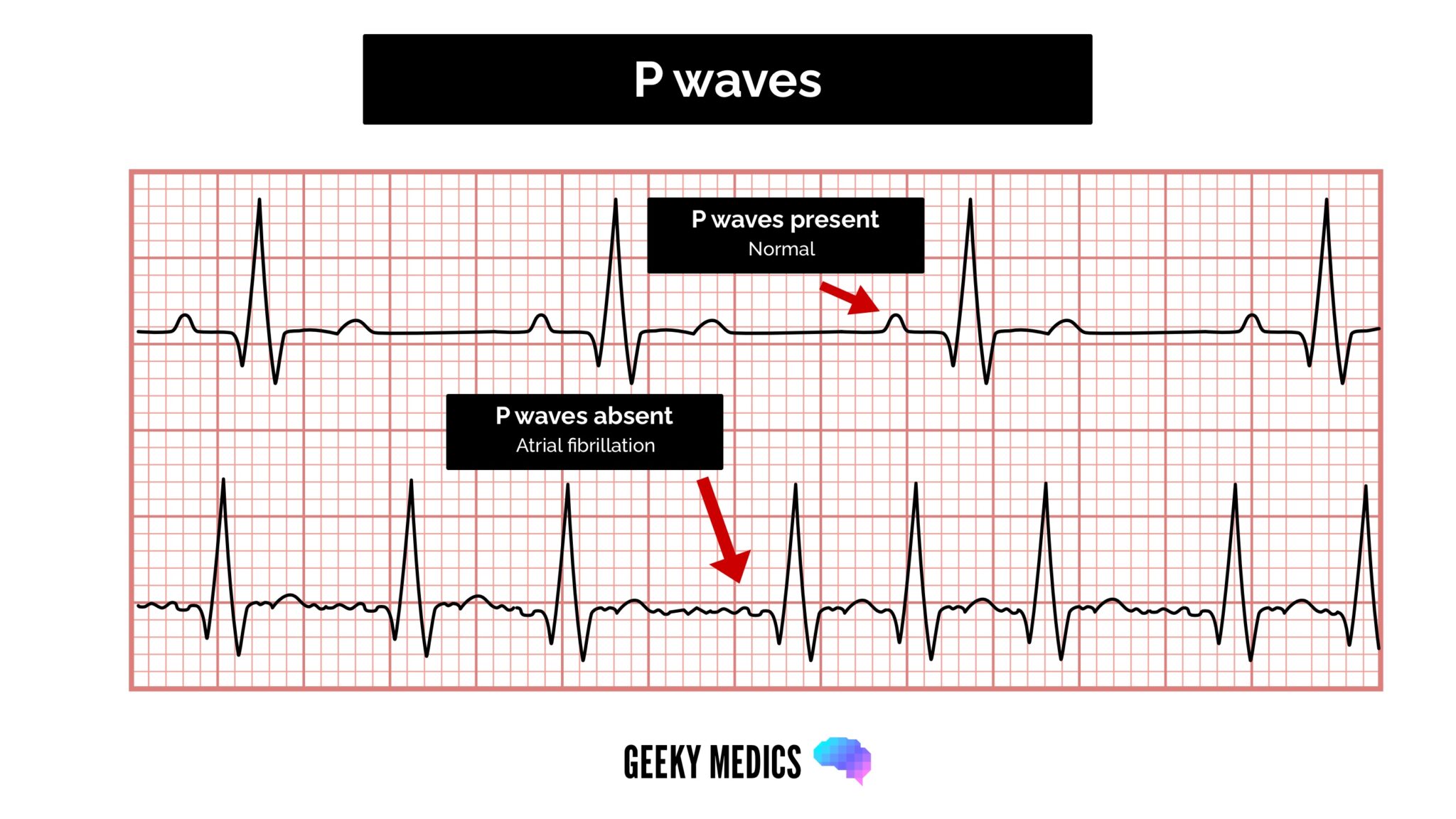
How to Read an ECG ECG Interpretation EKG Geeky Medics

P wave wikidoc
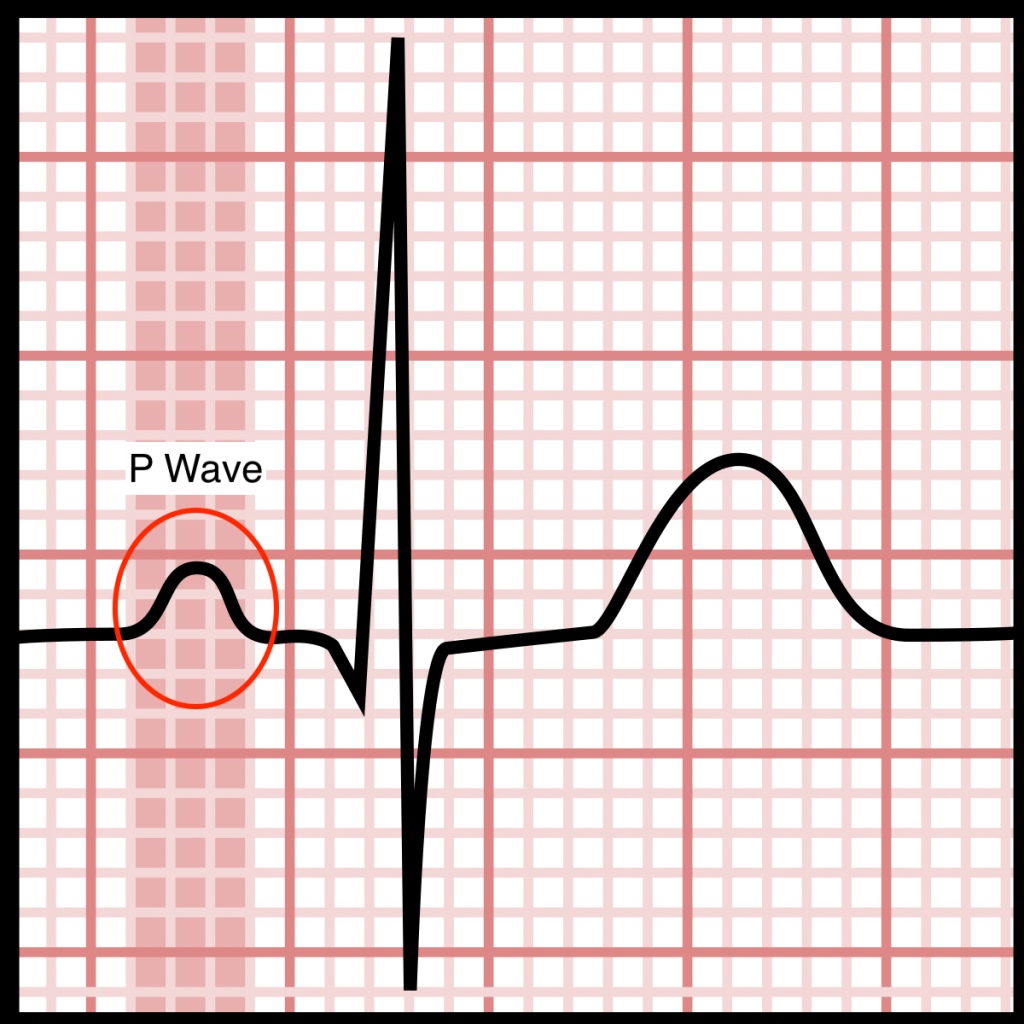
Electrocardiograms (EKGs/ECGs) Evaluating P Waves Stepwards
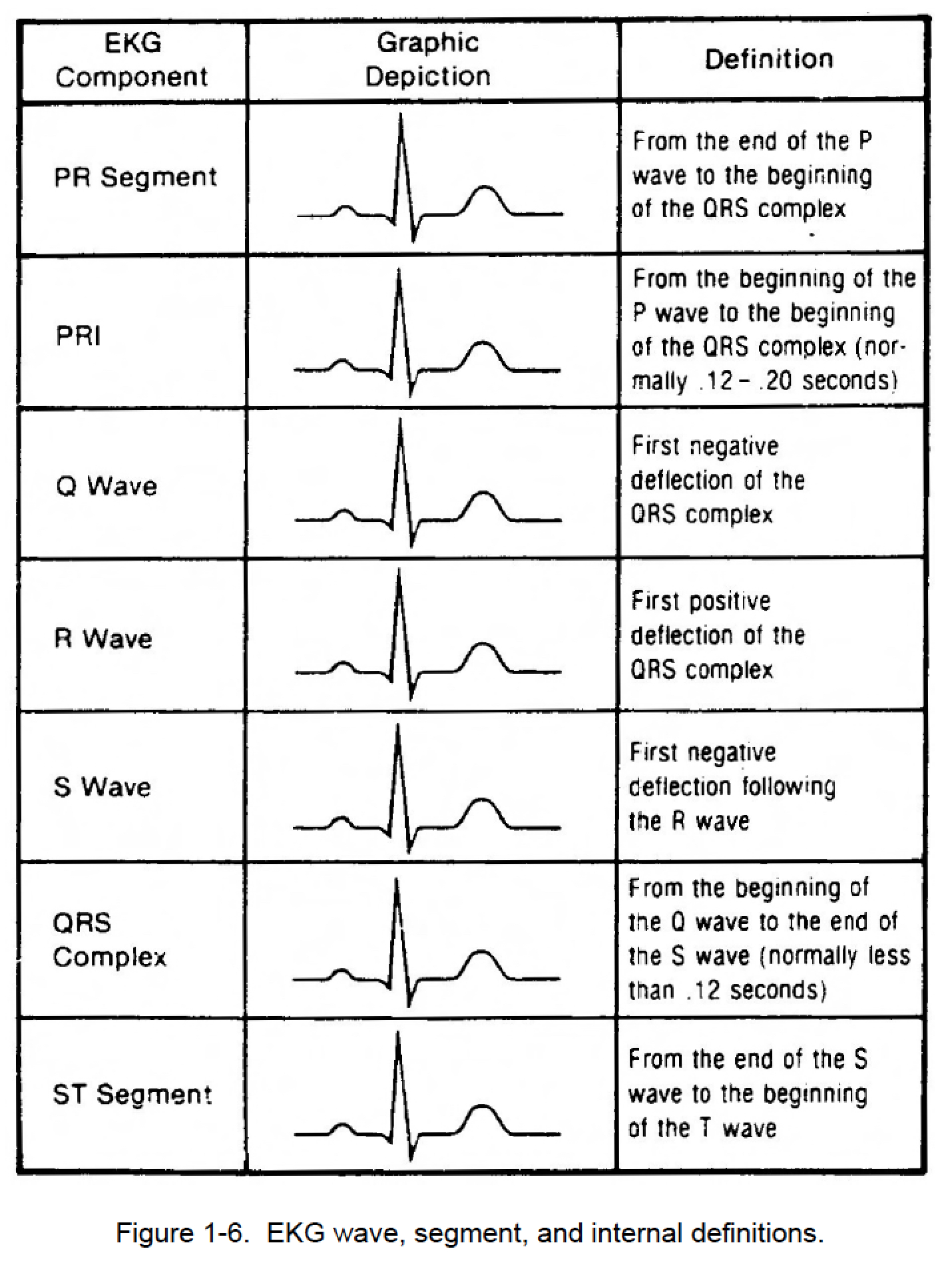
Figure 16. EKG wave, segment, and internal definitions Cardiac

Pwave, PR interval, PR segment physiology, criteria & ECG findings
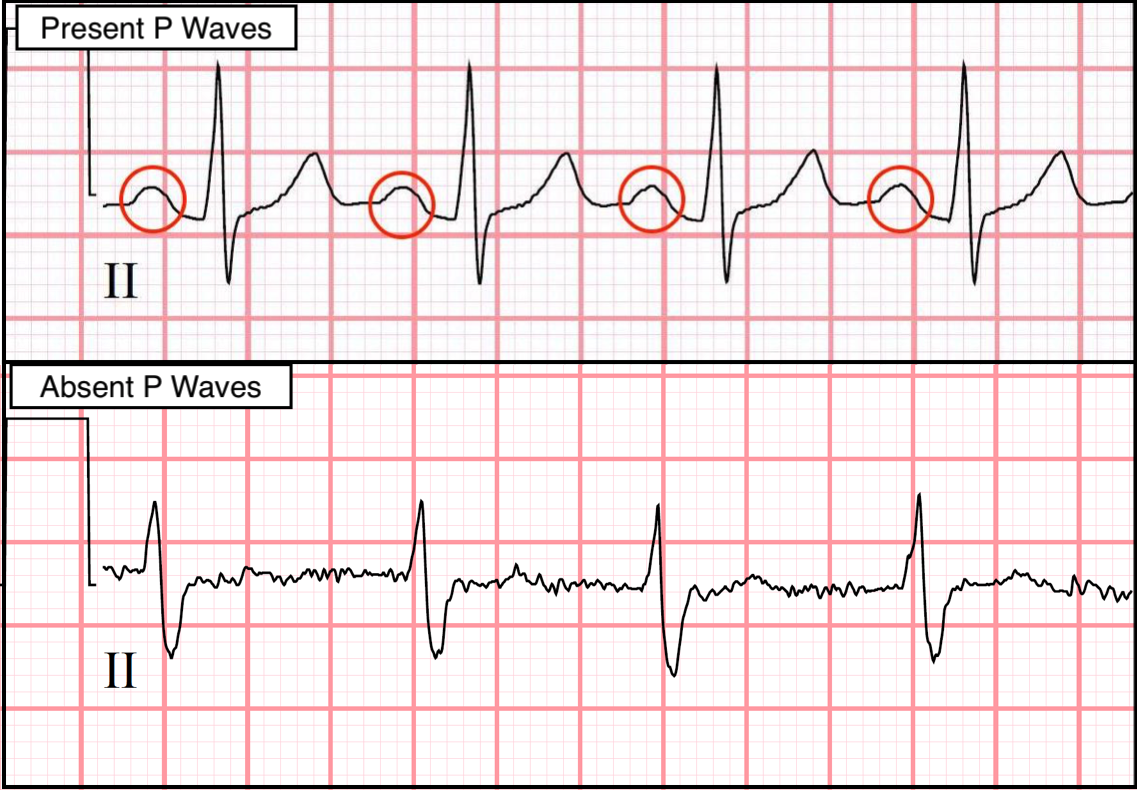
Electrocardiograms (EKGs/ECGs) Evaluating P Waves Stepwards

Pwave, PR interval, PR segment physiology, criteria & ECG findings

ECG interpretation Characteristics of the normal ECG (Pwave, QRS
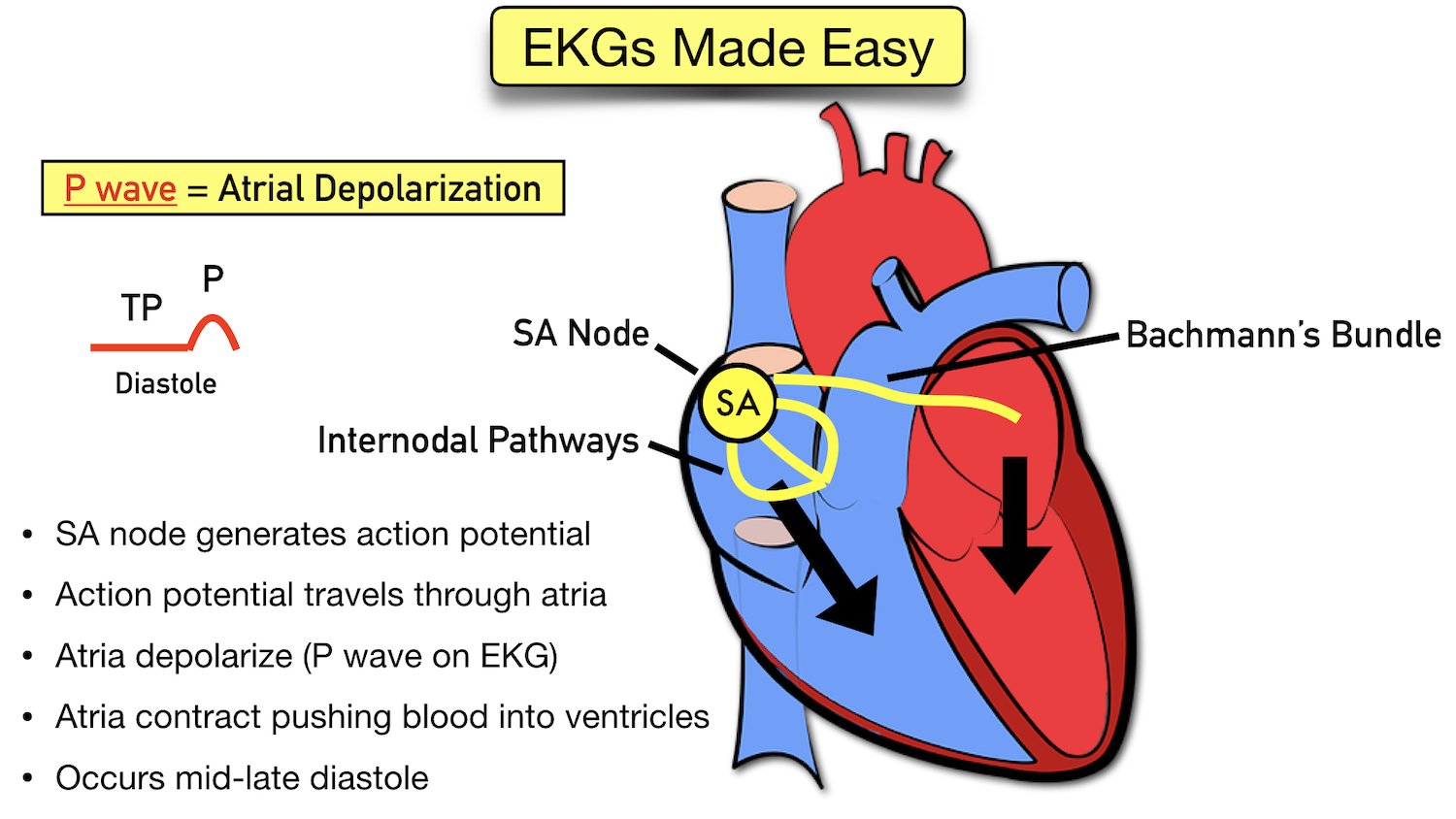
ECG Waveform Explained EKG Labeled Diagrams and Components — EZmed
Web Inverted P Wave (Ecg) An Inverted P Wave On An Ecg Is Usually A Sign Of Ectopic Atrial Rhythm.
Web Parts Of The Ecg Explained P Waves.
P Waves Represent Atrial Depolarisation.
Web The P Wave Represents The Time During Which The Electrical Impulse Travels Through The Atria, Causing Depolarization And Leading To Their Contraction.
Related Post: