
Running Bond Pattern Tile
Running Bond Pattern Tile - Subscribe learn how tile the right wayone of the most important parts of a tile installation is the layout of the tile. In other words, the tiles are offset by half their width. This one is sometimes called “brick pattern” since it’s the most commonly used pattern in brickwork. A large window flanked by antique brass sconces adds bonus natural light over the sink. Web how to plan a layout for a tile shower with a running bond pattern. Web draw eyes away from minor flaws in a room with the running bond tile pattern. The latter is perfect for a signature brick wall look. This pattern is created by simply offsetting tiles by half their width. Each of the joints is defined by the pattern’s grout lines. In this pattern, each row of tiles is typically offset by half a width (1/4 or 1/3 off sets are also a popular option). Often seen in subway tile, the edges of the tile line up with the center of the tile in the row above and below it. A running bond or brick lay pattern creates staggered grout lines by lining each tile up at the center of the tile above and below it. This pattern also works in vertical orientation. A highly versatile pattern that suits all surfaces and walls. Web design a colorful running bond tile design for your kitchen backsplash, bathroom remodel, fireplace hearth, or accent wall. Simple to install yet visually stunning, this staggered configuration is often used to help hide crooked walls or to break up the pattern of existing decor. This is one of the most classic patterns when using rectagular tile and is very popular in kitchens, bathrooms, and on fireplaces. Subscribe learn how tile the right wayone of the most important parts of a tile installation is the layout of the tile. Each of the joints is defined by the pattern’s grout lines. The center of each tile is lined up with the edge of the tile above it. Web running bond (also called offset) the next bond style pattern we will mention is the running bond pattern. Web running bond or subway tile or offset. The running bond or subway tile is the most common installation pattern for brick and other ceramic tiles varieties. Web a running bond, also called an offset bond, offers a slight variation on. This pattern is simple to lay out and requires fewer complicated tile cuts than other patterns. Web also known as a running bond or brick pattern, half offset is one of the most classic tile arrangements. The substrate works in conjunction with a membrane of some type. Works with square or rectangular tiles. In this pattern, each row of tiles. Web also known as a running bond, this common brickwork pattern has each tile start at the center of the tile below it. Then assign the custom pattern to your model/material. Simple to install yet visually stunning, this staggered configuration is often used to help hide crooked walls or to break up the pattern of existing decor. Web also known. The tiles with the pencil marks halfway across were the first tiles in their respective rows. Often seen in subway tile, the edges of the tile line up with the center of the tile in the row above and below it. This enduring design is comprised of rows of tiles laid horizontally at a. This pattern is a very popular. Substrate is the material that supports the tile, whether in a vertical or horizontal plane. Web a running bond, also called an offset bond, offers a slight variation on a stacked tile application. The tiles with the pencil marks halfway across were the first tiles in their respective rows. This pattern is a very popular look for tile backsplashes and. Subscribe learn how tile the right wayone of the most important parts of a tile installation is the layout of the tile. Select a substrate and membrane. A running bond or brick lay pattern creates staggered grout lines by lining each tile up at the center of the tile above and below it. Web running bond joints vs. Use running. Web running bond joints vs. Works with square or rectangular tiles. Simple to install yet visually stunning, this staggered configuration is often used to help hide crooked walls or to break up the pattern of existing decor. You draw lines, select them, and it creates the.pat file. This enduring design is comprised of rows of tiles laid horizontally at a. This pattern is created by simply offsetting tiles by half their width. Simple to install yet visually stunning, this staggered configuration is often used to help hide crooked walls or to break up the pattern of existing decor. A large window flanked by antique brass sconces adds bonus natural light over the sink. Web how to plan a layout for. Select a substrate and membrane. Web design a colorful running bond tile design for your kitchen backsplash, bathroom remodel, fireplace hearth, or accent wall. Each of the joints is defined by the pattern’s grout lines. The center of each tile is lined up with the edge of the tile above it. Often seen in subway tile, the edges of the. In this tile pattern, each tile is placed at half their width, so that the middle of one tile is aligned over the ends of the two tiles beneath it. It’s a pattern where each tile begins at the midpoint of the tile below it. Web also known as a running bond, this common brickwork pattern has each tile start. Web running bond (also called offset) the next bond style pattern we will mention is the running bond pattern. Web classic running bond. In other words, the tiles are offset by half their width. A highly versatile pattern that suits all surfaces and walls. Web draw eyes away from minor flaws in a room with the running bond tile pattern. This is one of the most classic patterns when using rectagular tile and is very popular in kitchens, bathrooms, and on fireplaces. Web when setting tile in a running bond pattern (a/k/a brick, offset, or staggered pattern), it helps to mark halfway across the first tile in the next row so you can line that up with a gap in the prior row. Works with square or rectangular tiles. This pattern is created by simply offsetting tiles by half their width. This enduring design is comprised of rows of tiles laid horizontally at a. The center of each tile is lined up with the edge of the tile above it. Use it to give your space a timeless architectural detail. Substrate is the material that supports the tile, whether in a vertical or horizontal plane. This pattern is a very popular look for tile backsplashes and shower surrounds and can make a relatively simple and inexpensive ceramic tile look like a million bucks. Select a substrate and membrane. You draw lines, select them, and it creates the.pat file.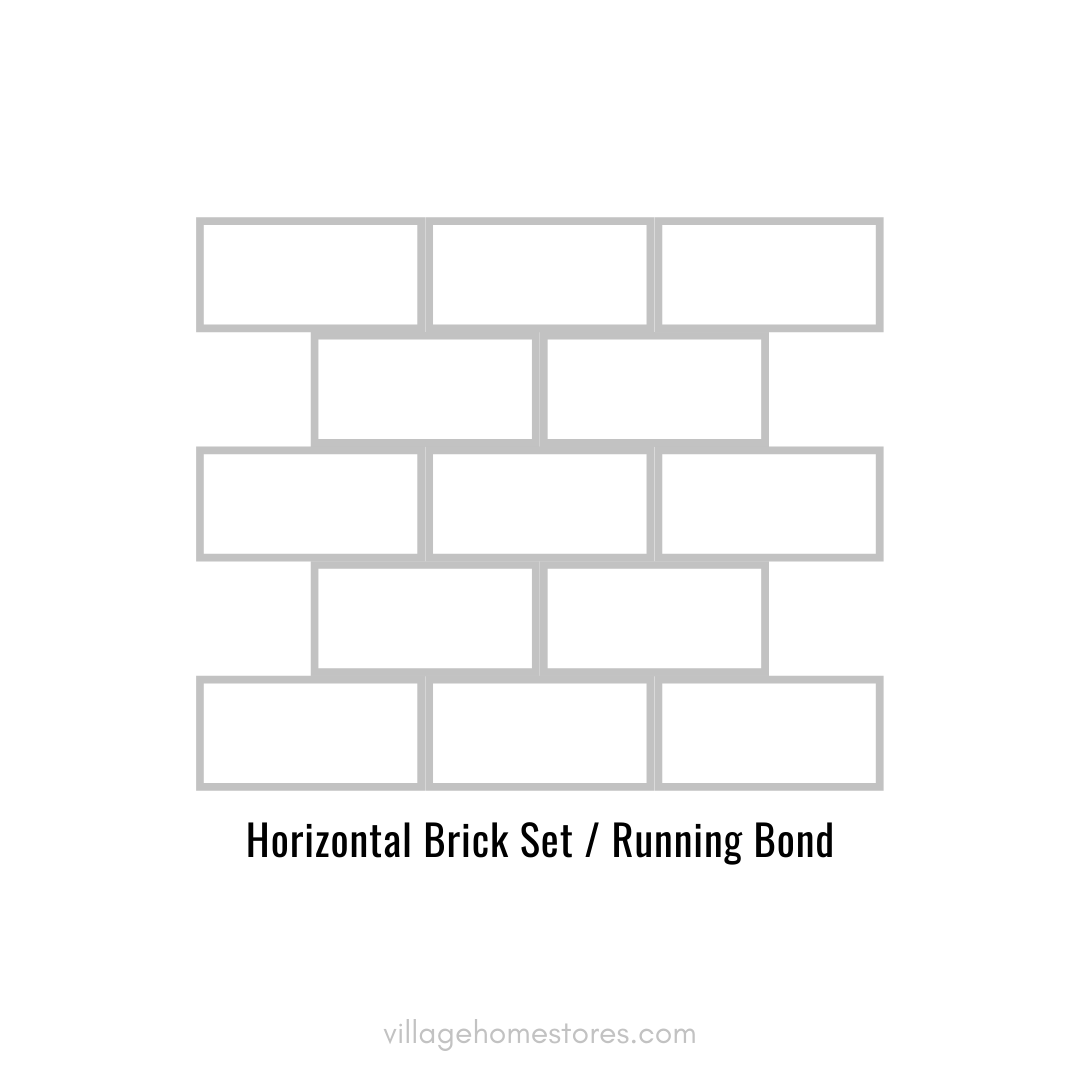
10 Subway Tile Patterns for Your Kitchen or Bath Design Village Home

running bond tile pattern Patio pavers design, Pavers backyard

Running Bond metro / subway tiles pattern for shower floor Metro

Creative Subway Tile Patterns and Interior Design Ideas

Tile Handmade Tile Patterns Running Bond

A twist on the running bond pattern use metro tiles to create this

running bond m/b interest'g // names for selection of tile grid

Running Bond Tile Design Clay Squared to Infinity

Subway Tile Running Bond Clay Squared to Infinity
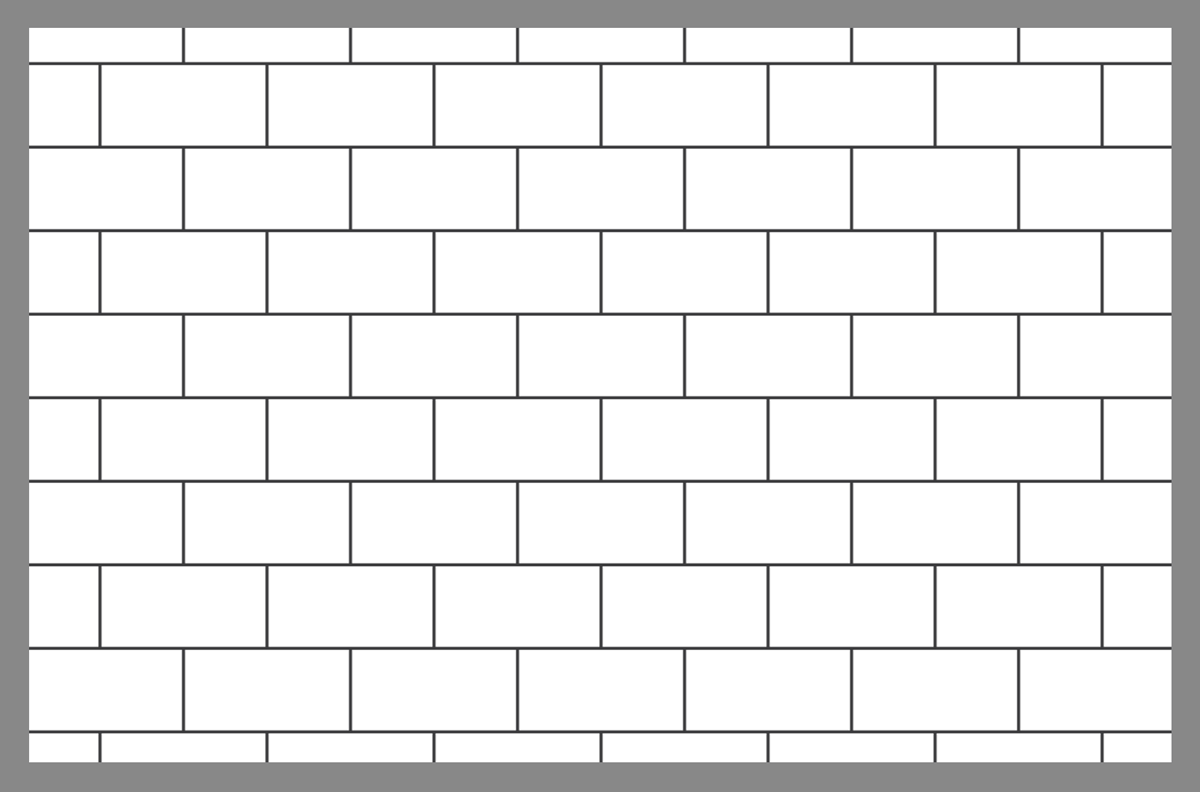
a runningbondtilepattern Byrd Tile
We Created This Pattern To Compliment The Brick Work Of The Home Exterior Wall, Thus Aesthetically Tying Fine Details Of The Pool To Home Architecture.
This One Is Sometimes Called “Brick Pattern” Since It’s The Most Commonly Used Pattern In Brickwork.
In This Pattern, Each Row Of Tiles Is Typically Offset By Half A Width (1/4 Or 1/3 Off Sets Are Also A Popular Option).
This Pattern Is Simple To Lay Out And Requires Fewer Complicated Tile Cuts Than Other Patterns.
Related Post: