
Whale Migration Patterns
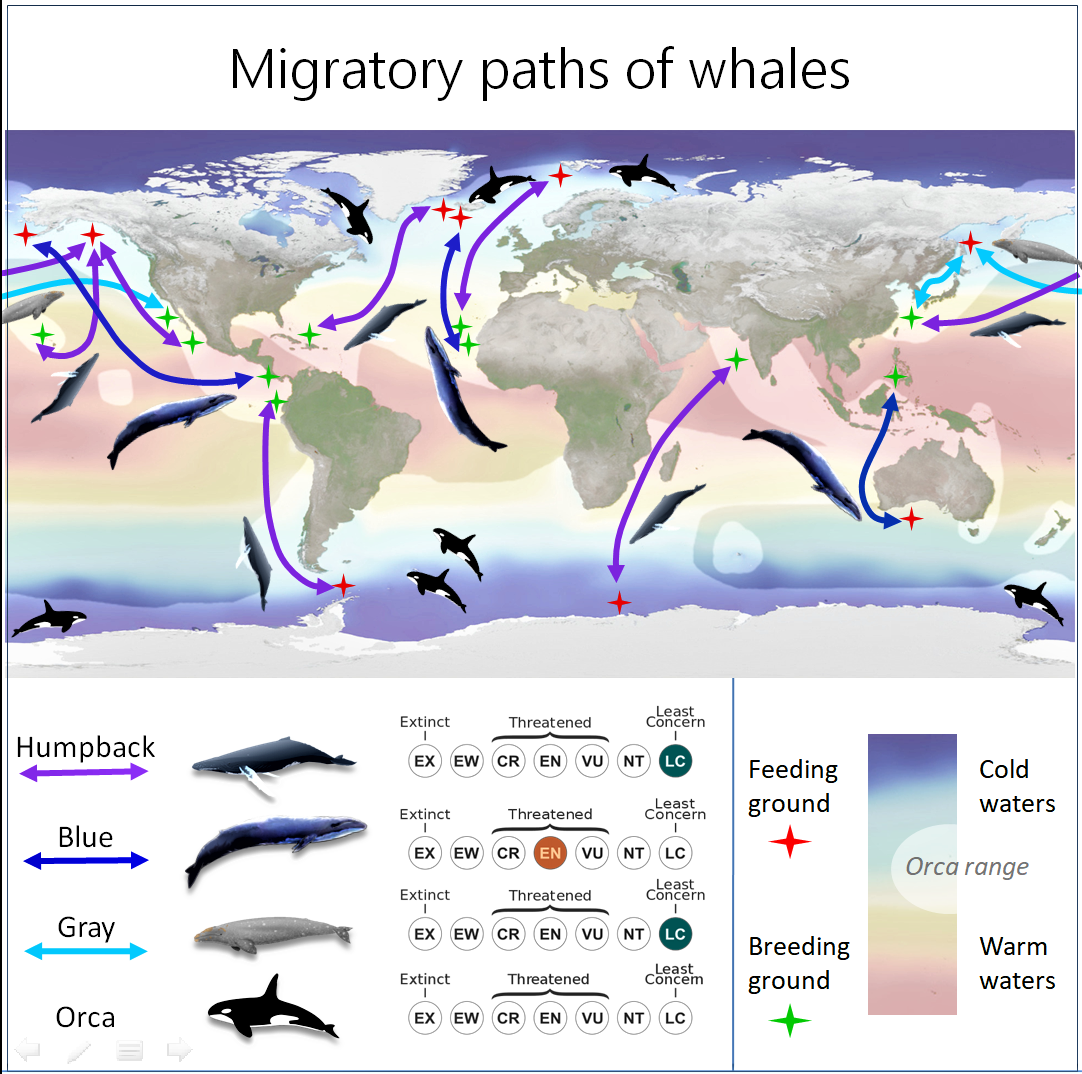
Whale Migration Patterns - We’ll also discuss the best places and months to see gray whales in california, mexico, and alaska, and cover some key facts about gray whales. The pink areas represent the areas where humpbacks go to in the winter to breed. Green areas represent the places in which humpbacks go to in the summer for feeding. Scientists have long wondered why whales—baleens, such as humpbacks and blues, and toothed whales, such as sperm and killer whales—travel up to 18,840 kilometers every year. Web humpback whale migration. Web it turns out that whales are likely making their annual migrations for much the same reason: Their faecal plumes boost phytoplankton production, which captures about 40 per cent of all carbon dioxide produced and generates over half of the atmosphere’s oxygen. Web along their migrations, whales fertilise the marine ecosystems they move through and support the marine life inhabiting them. This map shows the different humpback migrations across the world. Web humpback whales ( megaptera novaeangliae) present a migratory scheme characterized by a segregation between summer feeding grounds at higher latitudes and winter breeding/calving grounds at lower. Web in this guide, we will explore the gray whale migration season and pathway, with an emphasis on whale migration in california. They found that all four types that feed in frigid antarctic waters migrated as far as 11,000 kilometers (almost 7,000 miles) round trip. Scientists have long wondered why whales—baleens, such as humpbacks and blues, and toothed whales, such as sperm and killer whales—travel up to 18,840 kilometers every year. Web understanding the migratory patterns of large whales is of conservation importance, especially in identifying threats to specific populations. To maintain healthy skin, according to a new study out today. Their faecal plumes boost phytoplankton production, which captures about 40 per cent of all carbon dioxide produced and generates over half of the atmosphere’s oxygen. Green areas represent the places in which humpbacks go to in the summer for feeding. This map shows the different humpback migrations across the world. Web the world's first ever global map of whale migration patterns has been published, shining a light on the growing threats to these endangered creatures of the deep, its authors say. The pink areas represent the areas where humpbacks go to in the winter to breed. Web it turns out that whales are likely making their annual migrations for much the same reason: They found that all four types that feed in frigid antarctic waters migrated as far as 11,000 kilometers (almost 7,000 miles) round trip. We’ll also discuss the best places and months to see gray whales in california, mexico, and alaska, and cover some. Web along their migrations, whales fertilise the marine ecosystems they move through and support the marine life inhabiting them. Scientists have long wondered why whales—baleens, such as humpbacks and blues, and toothed whales, such as sperm and killer whales—travel up to 18,840 kilometers every year. Web the world's first ever global map of whale migration patterns has been published, shining. Web humpback whales ( megaptera novaeangliae) present a migratory scheme characterized by a segregation between summer feeding grounds at higher latitudes and winter breeding/calving grounds at lower. Web in this guide, we will explore the gray whale migration season and pathway, with an emphasis on whale migration in california. This map shows the different humpback migrations across the world. Web. They found that all four types that feed in frigid antarctic waters migrated as far as 11,000 kilometers (almost 7,000 miles) round trip. Web the world's first ever global map of whale migration patterns has been published, shining a light on the growing threats to these endangered creatures of the deep, its authors say. The pink areas represent the areas. Their faecal plumes boost phytoplankton production, which captures about 40 per cent of all carbon dioxide produced and generates over half of the atmosphere’s oxygen. Green areas represent the places in which humpbacks go to in the summer for feeding. Web over eight years, scientists deployed 62 satellite tags on killer whales. Web in this guide, we will explore the. Web here we describe the temporal and spatial characteristics of migration along the east australian seaboard and into the southern ocean by 30 humpback whales satellite tagged over three. Web humpback whale migration. Web it turns out that whales are likely making their annual migrations for much the same reason: We’ll also discuss the best places and months to see. Web it turns out that whales are likely making their annual migrations for much the same reason: Web the world's first ever global map of whale migration patterns has been published, shining a light on the growing threats to these endangered creatures of the deep, its authors say. Web understanding the migratory patterns of large whales is of conservation importance,. Web along their migrations, whales fertilise the marine ecosystems they move through and support the marine life inhabiting them. Their faecal plumes boost phytoplankton production, which captures about 40 per cent of all carbon dioxide produced and generates over half of the atmosphere’s oxygen. We’ll also discuss the best places and months to see gray whales in california, mexico, and. Green areas represent the places in which humpbacks go to in the summer for feeding. Their faecal plumes boost phytoplankton production, which captures about 40 per cent of all carbon dioxide produced and generates over half of the atmosphere’s oxygen. The pink areas represent the areas where humpbacks go to in the winter to breed. Web over eight years, scientists. Scientists have long wondered why whales—baleens, such as humpbacks and blues, and toothed whales, such as sperm and killer whales—travel up to 18,840 kilometers every year. Web over eight years, scientists deployed 62 satellite tags on killer whales. Green areas represent the places in which humpbacks go to in the summer for feeding. We’ll also discuss the best places and. Web here we describe the temporal and spatial characteristics of migration along the east australian seaboard and into the southern ocean by 30 humpback whales satellite tagged over three. Web humpback whales ( megaptera novaeangliae) present a migratory scheme characterized by a segregation between summer feeding grounds at higher latitudes and winter breeding/calving grounds at lower. Web humpback whale migration. They found that all four types that feed in frigid antarctic waters migrated as far as 11,000 kilometers (almost 7,000 miles) round trip. This map shows the different humpback migrations across the world. Scientists have long wondered why whales—baleens, such as humpbacks and blues, and toothed whales, such as sperm and killer whales—travel up to 18,840 kilometers every year. Green areas represent the places in which humpbacks go to in the summer for feeding. Web along their migrations, whales fertilise the marine ecosystems they move through and support the marine life inhabiting them. Web understanding the migratory patterns of large whales is of conservation importance, especially in identifying threats to specific populations. We’ll also discuss the best places and months to see gray whales in california, mexico, and alaska, and cover some key facts about gray whales. Web in this guide, we will explore the gray whale migration season and pathway, with an emphasis on whale migration in california. To maintain healthy skin, according to a new study out today. The pink areas represent the areas where humpbacks go to in the winter to breed.
Killer Whale Migration Map
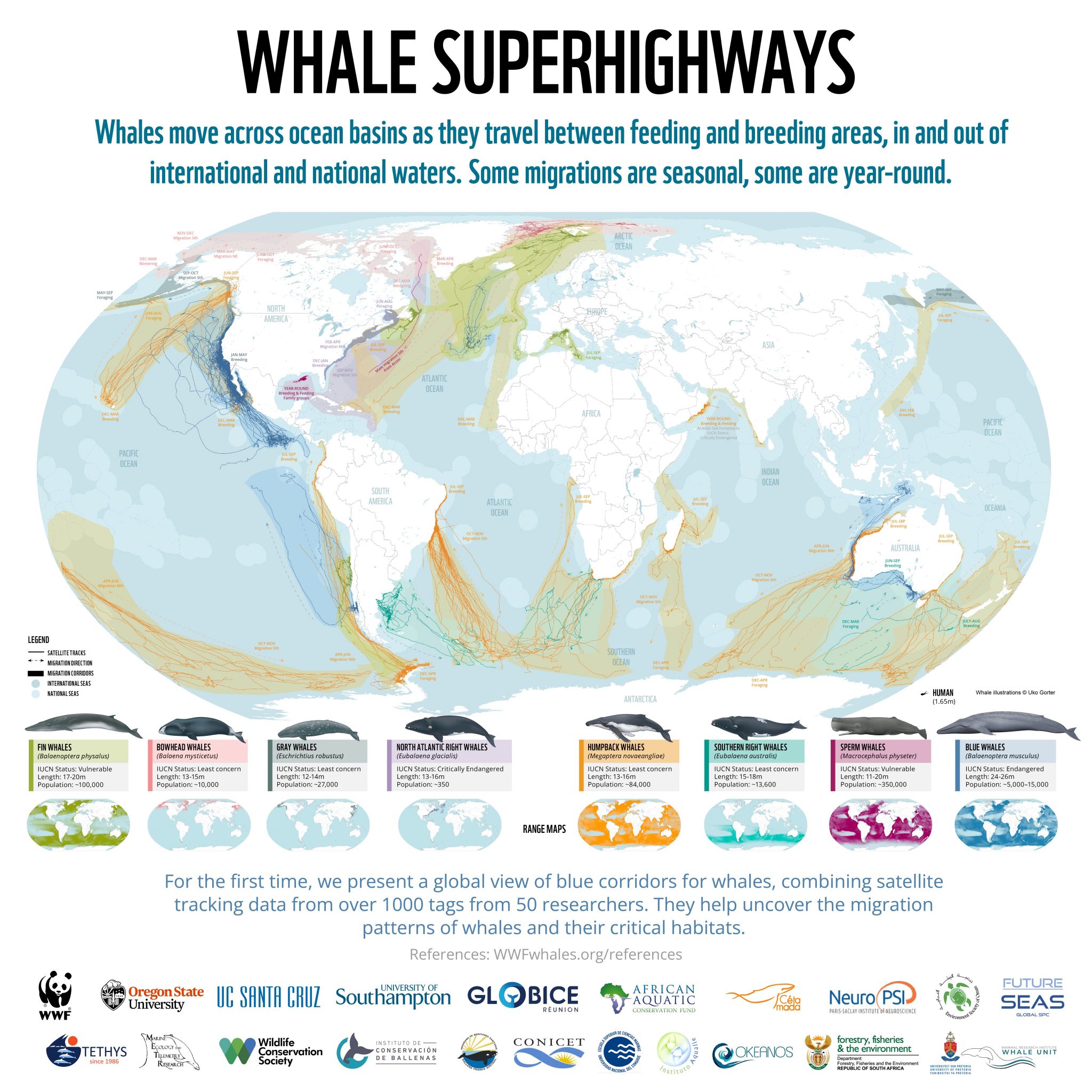
Identifying whale migration routes in the global oceans Argos

Pacific Whale Migration
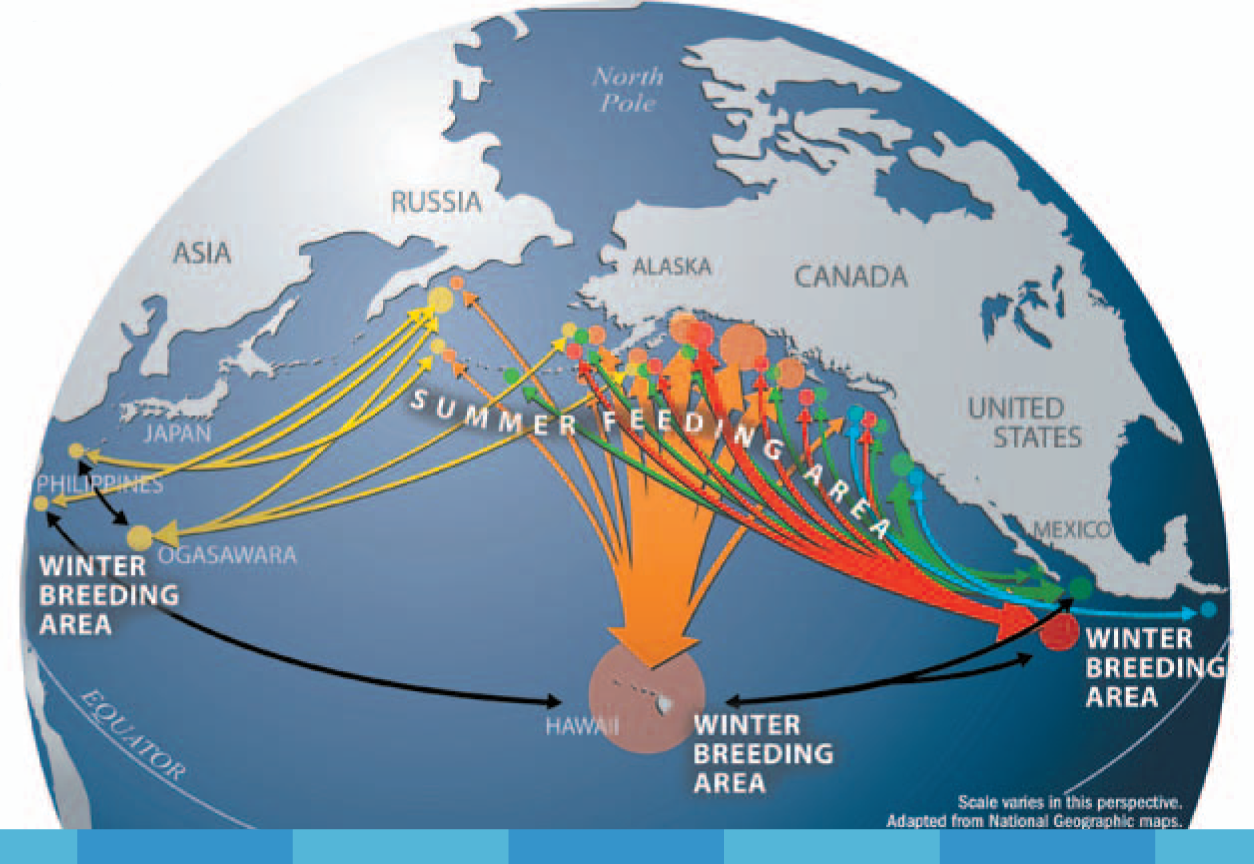
Gigantic Journeys Humpback and Gray Whale Migration KQED
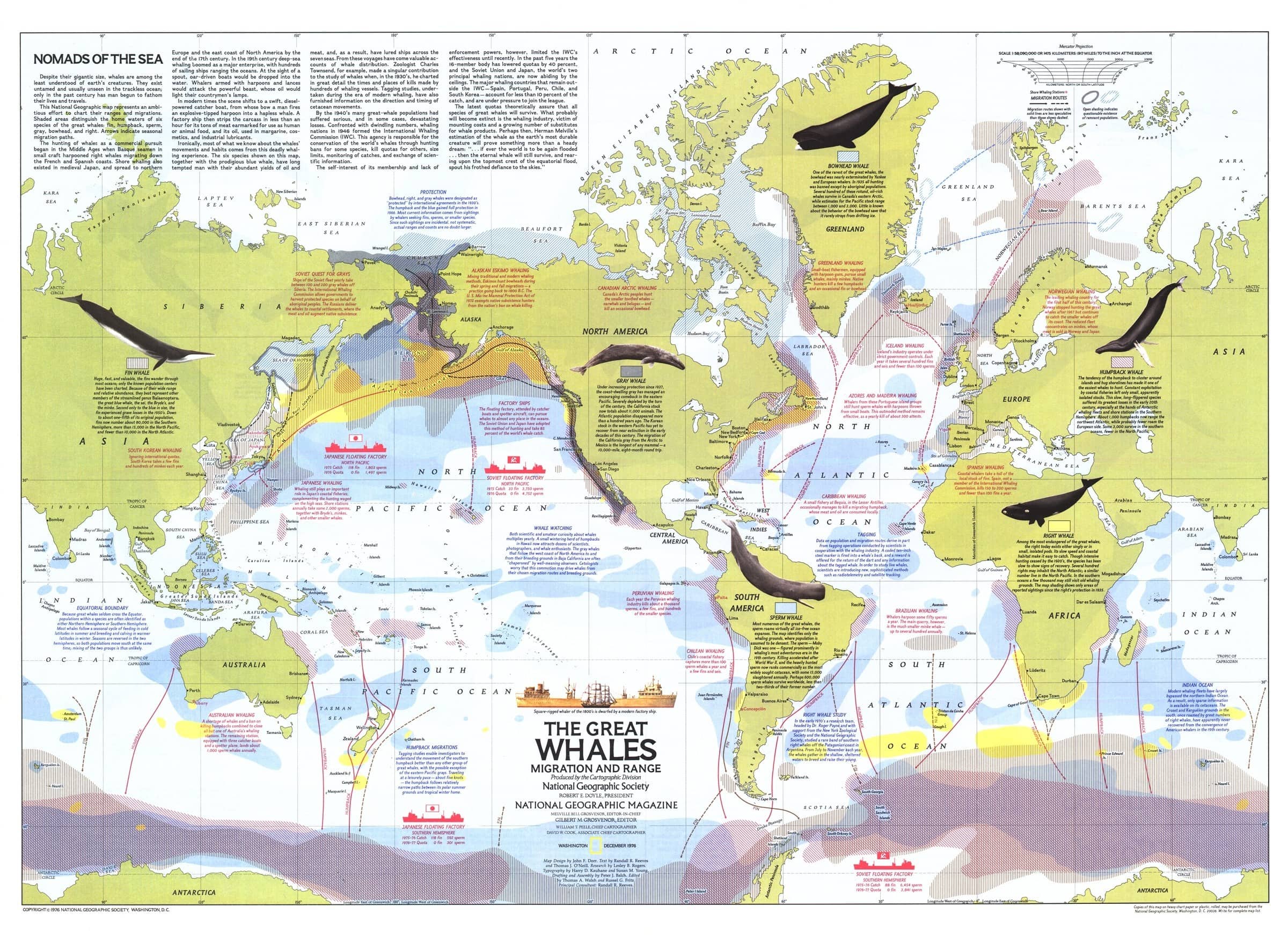
Great Whales, Migration and Range 1976 National Geographic Mapworld
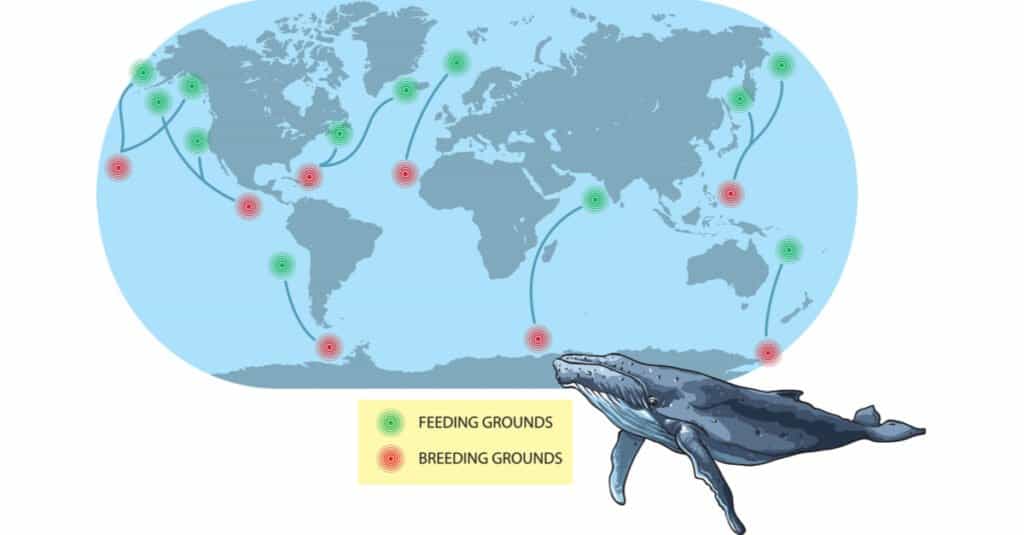
Discover the Incredible Baleen Whale Migration AZ Animals
Revealed First ever global map of whale migration exposes growing

Whale migration The facts Blog NSW National Parks
Map of whale migration "superhighways" might help save them Big Think
Traversing the endless blue The Adventurous voyages of whales
Web It Turns Out That Whales Are Likely Making Their Annual Migrations For Much The Same Reason:
Their Faecal Plumes Boost Phytoplankton Production, Which Captures About 40 Per Cent Of All Carbon Dioxide Produced And Generates Over Half Of The Atmosphere’s Oxygen.
Web Over Eight Years, Scientists Deployed 62 Satellite Tags On Killer Whales.
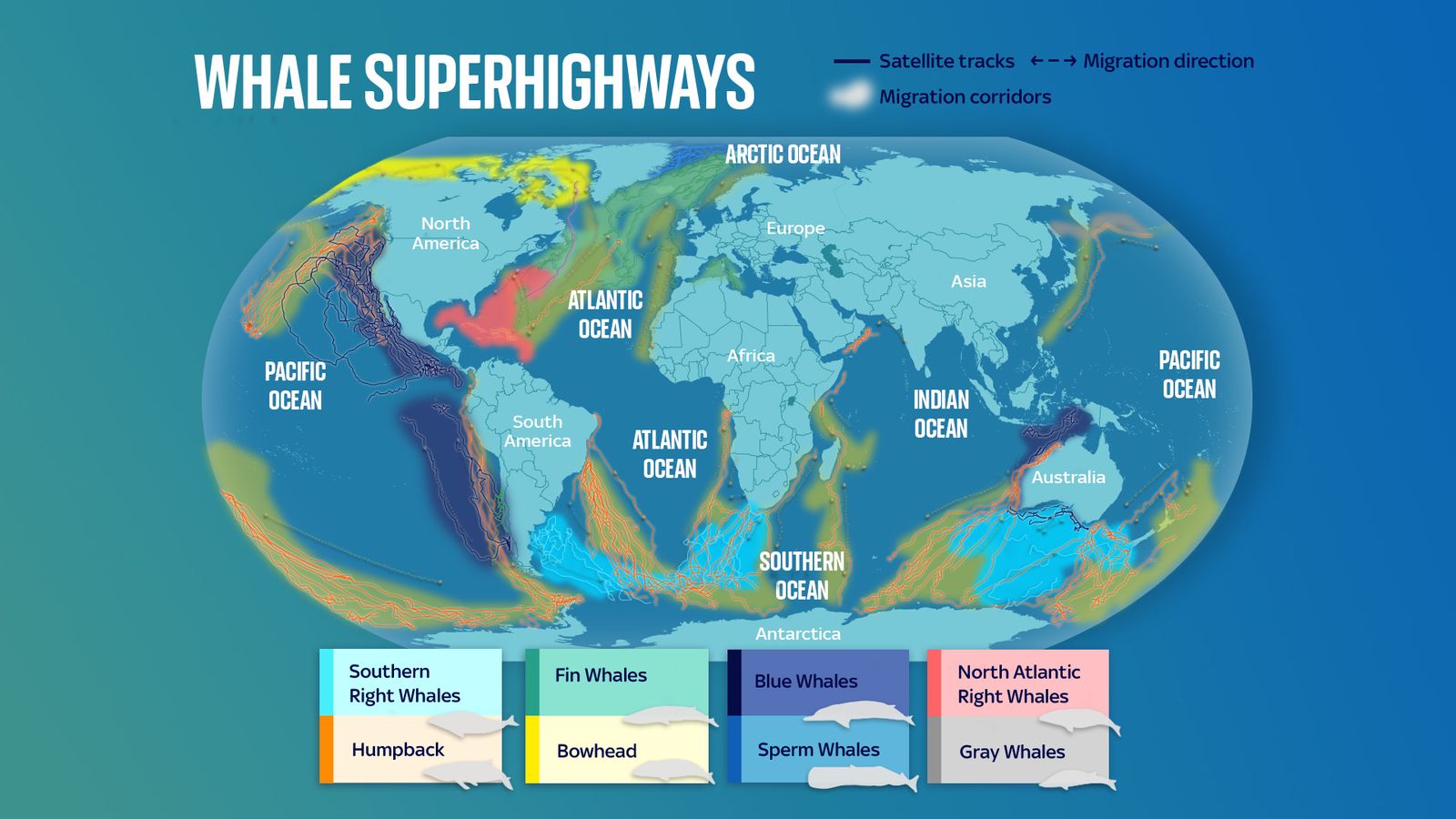
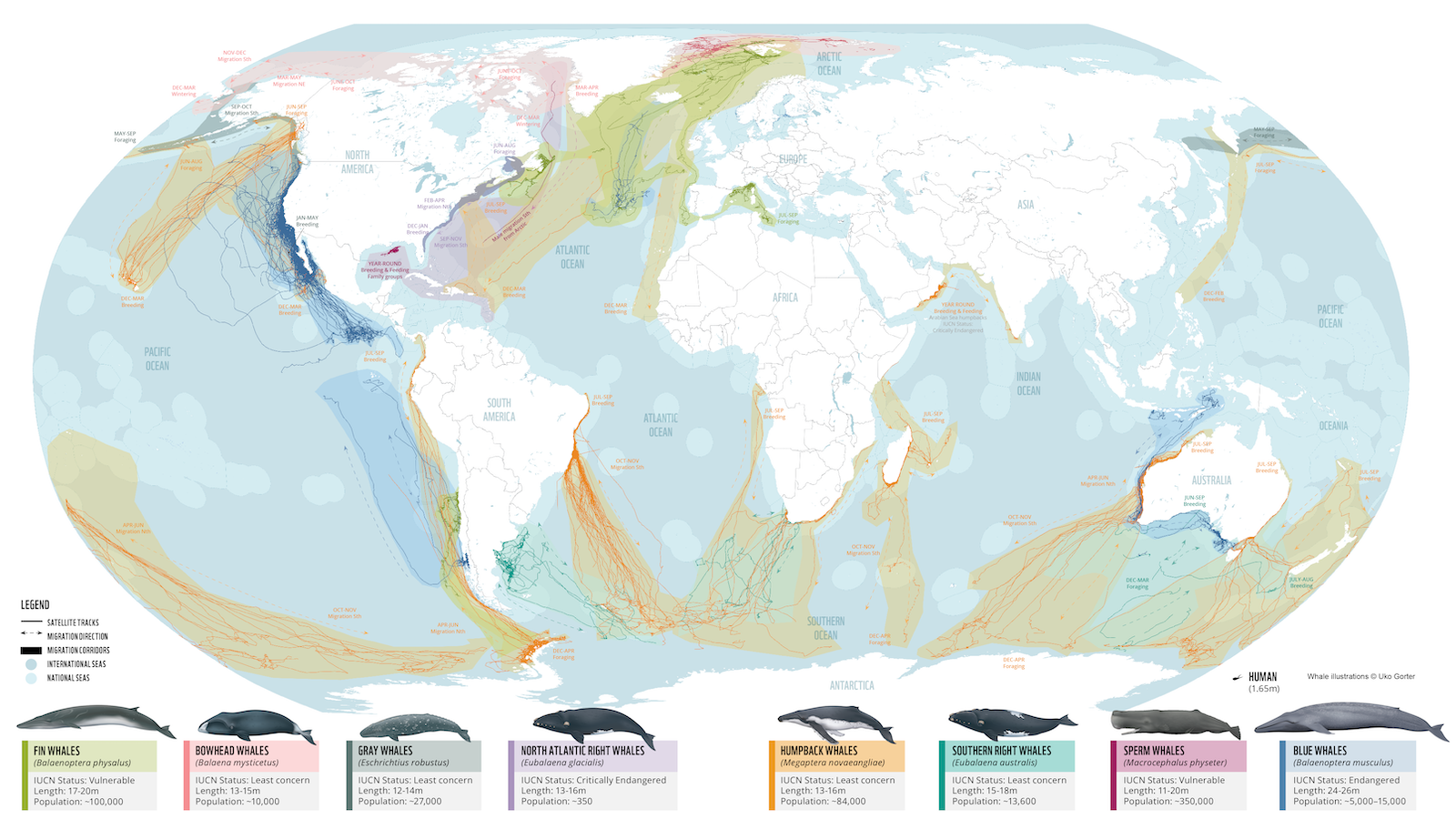
Web The World's First Ever Global Map Of Whale Migration Patterns Has Been Published, Shining A Light On The Growing Threats To These Endangered Creatures Of The Deep, Its Authors Say.
Related Post: