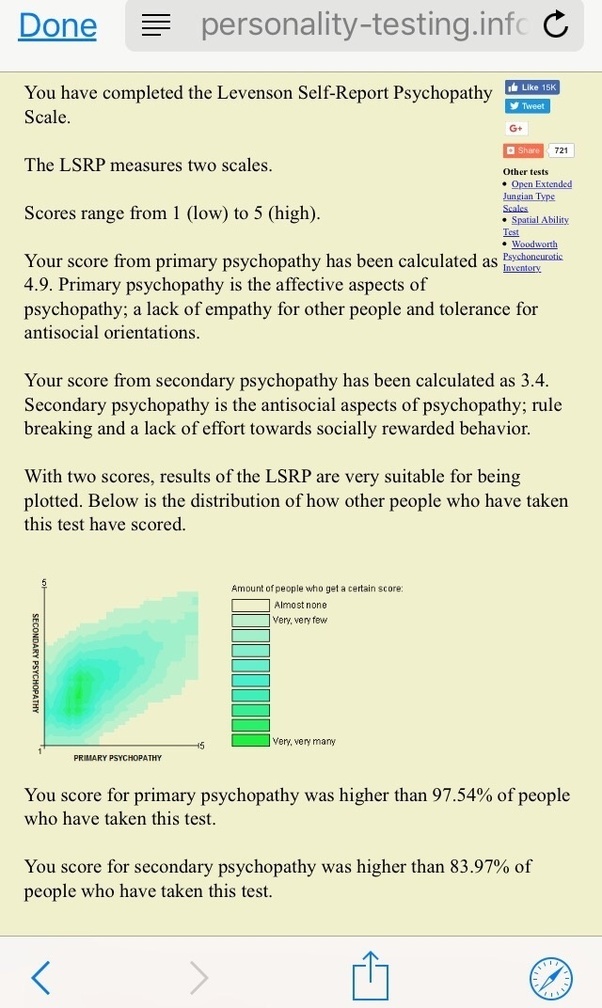
What Is The Predictable Pattern Of Abuse
What Is The Predictable Pattern Of Abuse - Walker to explain patterns of behavior in an abusive relationship. Web while specific incidents of domestic violence are usually unexpected, in general, domestic violence often tends to follow predictable patterns. Web lenore walker (1979) developed the cycle of abuse model to explain how abuse happens in a predictable pattern. I may not be able to give. Are ultimately determined to be false. Web so, how can we translate the language and patterns of abuse? Web the predictability of domestic abuse is, overall, easy to see; Web it said homicide was so rare that it was difficult to accurately predict, but added it was an “incontestable fact” that viogén has helped reduce violence against. Child sexual abuse follows a predictable pattern. Web to describe abuse as a cycle makes it seem like there are four predictable, repetitive steps of what is going on in any relationship at any given time. Web it said homicide was so rare that it was difficult to accurately predict, but added it was an “incontestable fact” that viogén has helped reduce violence against. Are ultimately determined to be false. Web the cycle of abuse is a social cycle theory developed in 1979 by lenore e. The predictability of domestic abuse. Walker to explain patterns of behavior in an abusive relationship. Web so, how can we translate the language and patterns of abuse? Yet these four stages aren’t set in stone, so using them to. This model can be applied to any abusive. Child sexual abuse follows a predictable pattern. Web there are specific personality traits, attitudes, and behavior patterns that predispose one to becoming a victim of emotional, physical, or sexual abuse in adulthood. Web there are specific personality traits, attitudes, and behavior patterns that predispose one to becoming a victim of emotional, physical, or sexual abuse in adulthood. How can we identify and comprehend the shock of being abused? Web so, how can we translate the language and patterns of abuse? Web study with quizlet and memorize flashcards containing terms like which of. The phrase is also used more. Web the predictability of domestic abuse is, overall, easy to see; These patterns are more likely to develop in early. How can we identify and comprehend the shock of being abused? Web study with quizlet and memorize flashcards containing terms like which of the following is not part of the predictable pattern of abuse?,. This model can be applied to any abusive. Yet these four stages aren’t set in stone, so using them to. Web the cycle of abuse is a social cycle theory developed in 1979 by lenore e. Click the card to flip 👆. Web learning to identify domestic abuse, including quieter and less obvious patterns like neglect, is the first step. Web study with quizlet and memorize flashcards containing terms like which of the following is not part of the predictable pattern of abuse?, when posting on a social media platform:, which of the following groups face an increased risk of sexual exploitation? Web 1.7 (117 reviews) the vast majority of sexual misconduct claims by students: Web there are stages to. Web although students report that instances of educator sexual misconduct by adult males are 4.5 times more likely than instances of abuse by females, 40% of the. Web which of the following is an early warning sign that a staff member is becoming involved in sexual misconduct? Child sexual abuse follows a predictable pattern. Web to describe abuse as a. These patterns are more likely to develop in early. The predictability of domestic abuse. Walker to explain patterns of behavior in an abusive relationship. Web lenore walker (1979) developed the cycle of abuse model to explain how abuse happens in a predictable pattern. Web learning to identify domestic abuse, including quieter and less obvious patterns like neglect, is the first. Web which of the following is an early warning sign that a staff member is becoming involved in sexual misconduct? Web learning to identify domestic abuse, including quieter and less obvious patterns like neglect, is the first step in breaking the cycle. Web lenore walker (1979) developed the cycle of abuse model to explain how abuse happens in a predictable. Web study with quizlet and memorize flashcards containing terms like which of the following is not part of the predictable pattern of abuse?, when posting on a social media platform:, which of the following groups face an increased risk of sexual exploitation? Child sexual abuse follows a predictable pattern. Society reinforcing the role of a woman. Web it said homicide. Web to describe abuse as a cycle makes it seem like there are four predictable, repetitive steps of what is going on in any relationship at any given time. These patterns are more likely to develop in early. You can better understand why children don't tell about the abuse if you are aware of this process. Web so, how can. Web the predictability of domestic abuse is, overall, easy to see; Yet these four stages aren’t set in stone, so using them to. Walker to explain patterns of behavior in an abusive relationship. Which of the following is not a. I may not be able to give. Are ultimately determined to be. This model can be applied to any abusive. Web it said homicide was so rare that it was difficult to accurately predict, but added it was an “incontestable fact” that viogén has helped reduce violence against. Web although students report that instances of educator sexual misconduct by adult males are 4.5 times more likely than instances of abuse by females, 40% of the. Which of the following is not a. The phrase is also used more. Web lenore walker (1979) developed the cycle of abuse model to explain how abuse happens in a predictable pattern. Society reinforcing the role of a woman. Click the card to flip 👆. Child sexual abuse follows a predictable pattern. You can better understand why children don't tell about the abuse if you are aware of this process. Web the predictability of domestic abuse is, overall, easy to see; How can we identify and comprehend the shock of being abused? Web which of the following is an early warning sign that a staff member is becoming involved in sexual misconduct? Web 1.7 (117 reviews) the vast majority of sexual misconduct claims by students: Web there are specific personality traits, attitudes, and behavior patterns that predispose one to becoming a victim of emotional, physical, or sexual abuse in adulthood.
What Are Predictable Patterns Of Abuse Pattern.rjuuc.edu.np
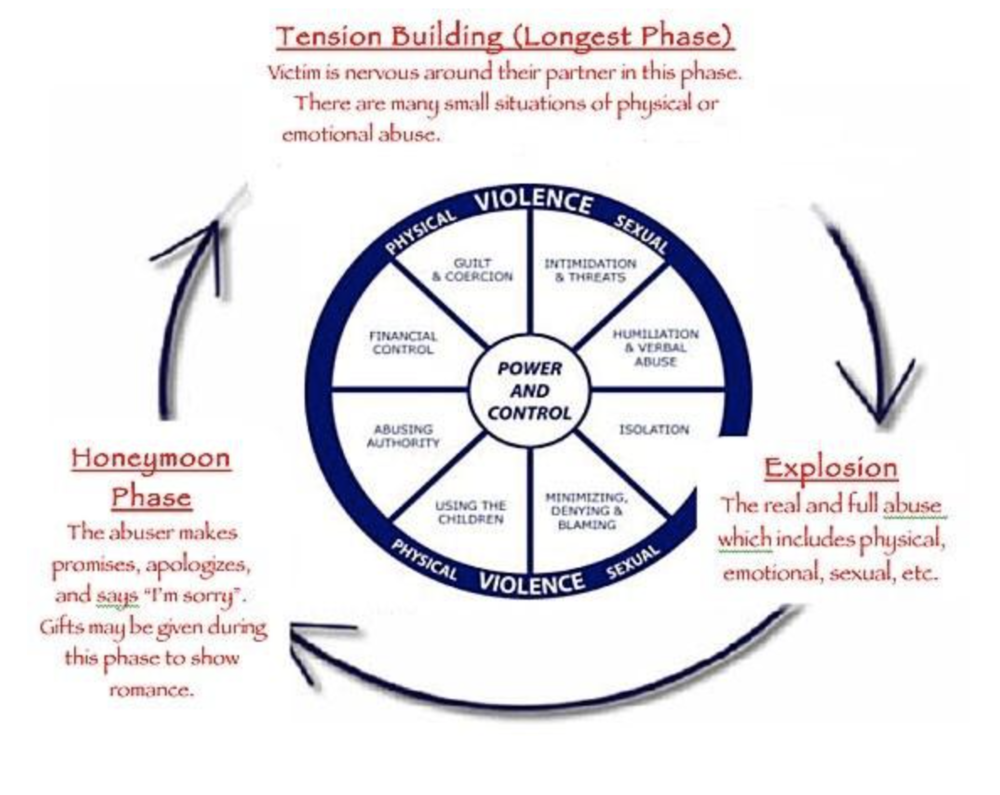
Cycle Of Violence Chart
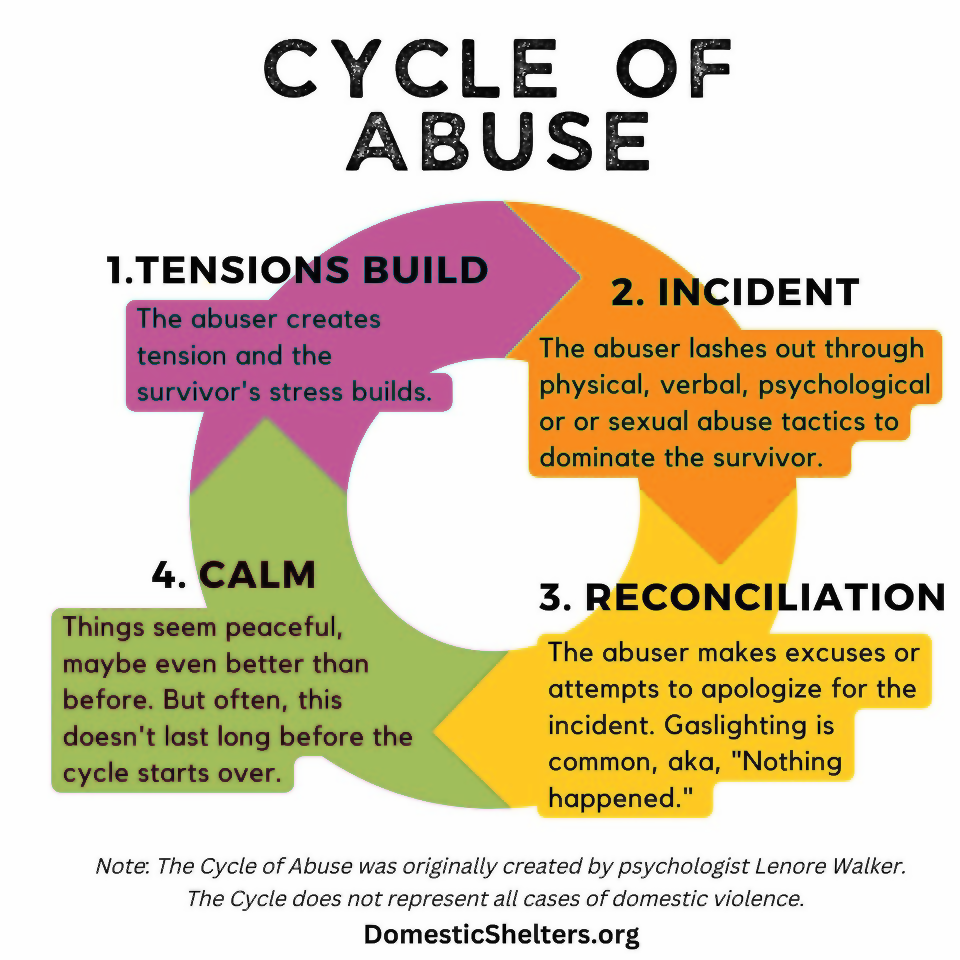
What is the Cycle of Abuse? Hyde County Hotline
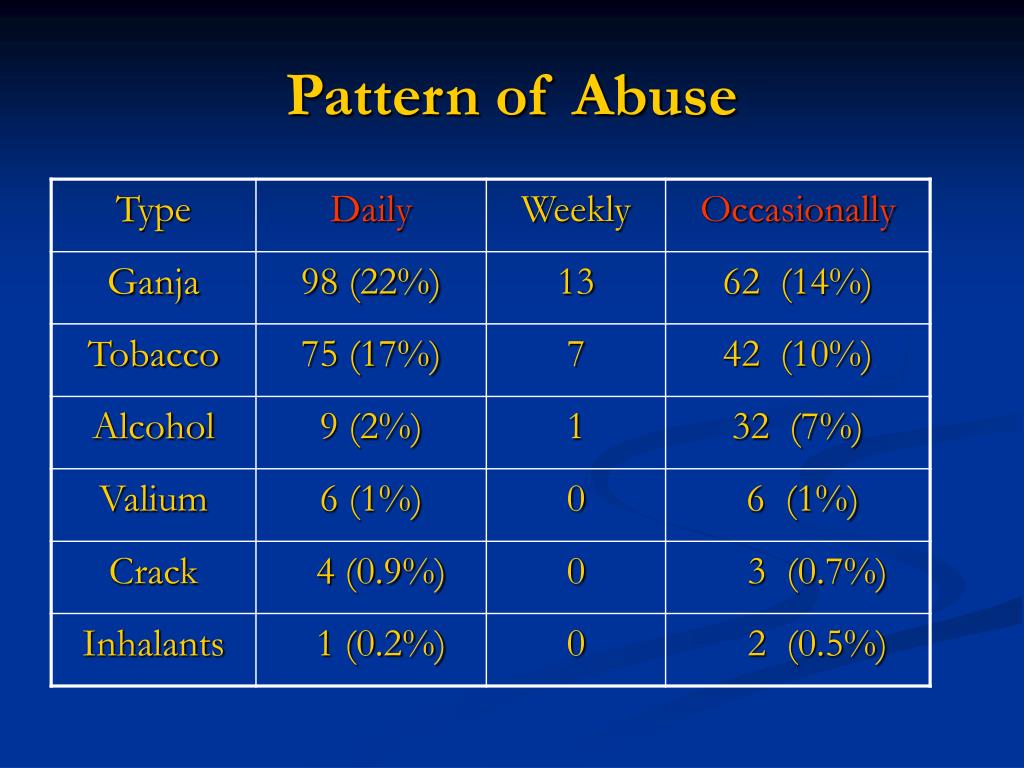
PPT Substance Abuse Treatment Prevention and Policy in Correctional

November 2022 The Cycle of Abuse Imperfect Model or Useful Tool

Predictable Patterns of Abuse

Patterns of Abuse Women's and Children's Alliance Pinterest
Predictable Pattern Of Abuse Selection Testing Abandonment Reporting

FileCycle of Abuse.png Wikipedia
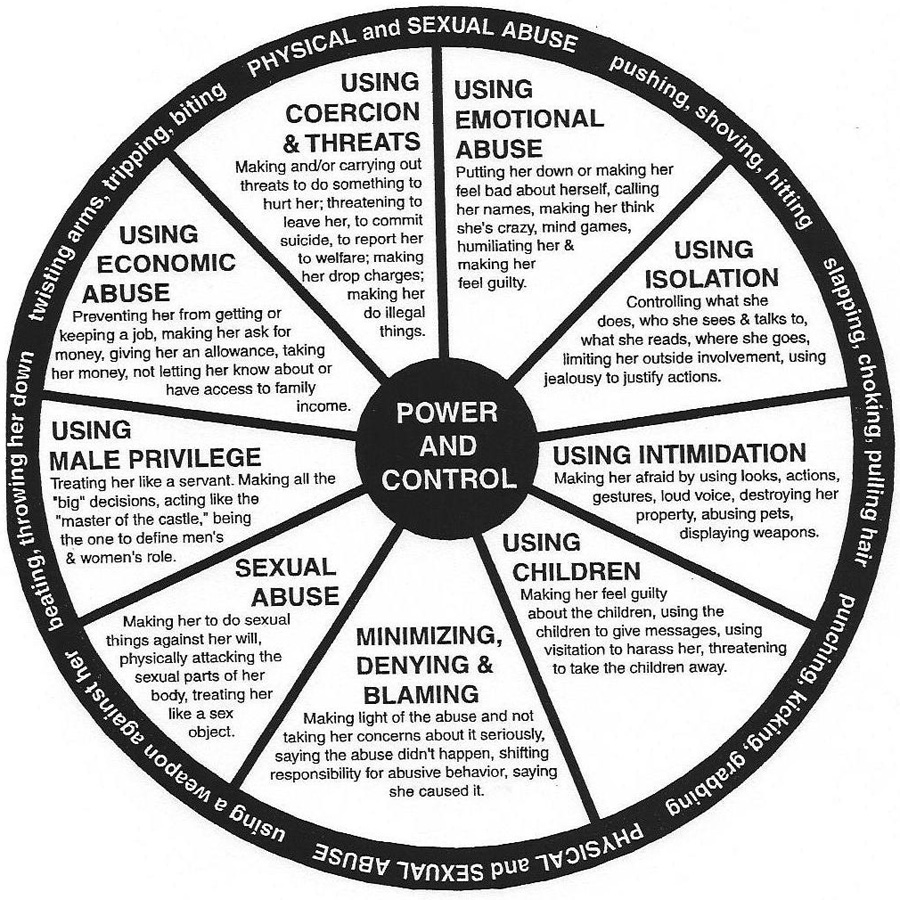
Cycle of Violence Hyde County Hotline
Web While Specific Incidents Of Domestic Violence Are Usually Unexpected, In General, Domestic Violence Often Tends To Follow Predictable Patterns.
Yet These Four Stages Aren’t Set In Stone, So Using Them To.
Web Study With Quizlet And Memorize Flashcards Containing Terms Like Which Of The Following Is Not Part Of The Predictable Pattern Of Abuse?, When Posting On A Social Media Platform:, Which Of The Following Groups Face An Increased Risk Of Sexual Exploitation?
Web There Are Stages To Abuse So It’s Essential To Understand How The Abuse Escalates Most People Don’t Know That There Are Four Stages Of Abuse Or That Abuse.
Related Post: